Material Actions
Material actions is a project about pushing the limits of a material beyond what’s typically expected of it using various actions and processes.
In Spring 2020, I took 4.021 which is MIT’s introduction design studio, and for our final assignment “Material Actions”, students were tasked with picking any material and using 3-4 of Richard Serra’s list of 100 action verbs to manipulate said material to create new forms of the material or actual products out of the material.
Project Members
Nebyu Haile
Programs + Tools used
Various Construction Tools (lighters, saws, plywood, screws)
Plastic Bottles
Conception
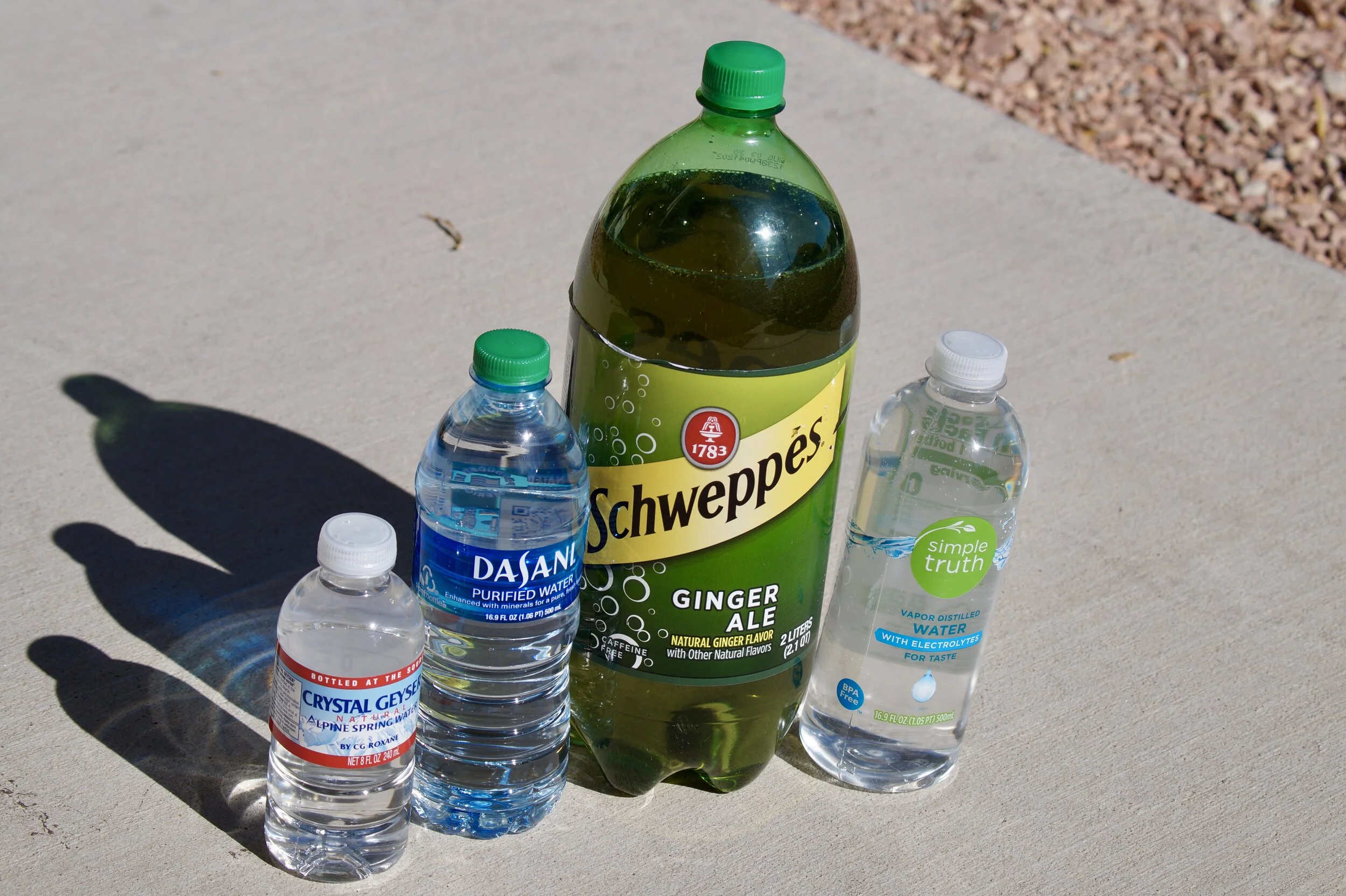
For my material, I liked the idea of using a waste material to make something new. I gravitated towards this idea because I felt that in todays more environmentally conscious world these sort of projects are in more need than ever. Ultimately, I decided to use plastic bottles because they are readily available across the world, and most importantly one of the largest causes of consumer environmental waste. My goal for the project was to use the bottles in a more unique way than what most people do currently which is simple repurposing like cutting a bottle in half to use as a pot and so forth.
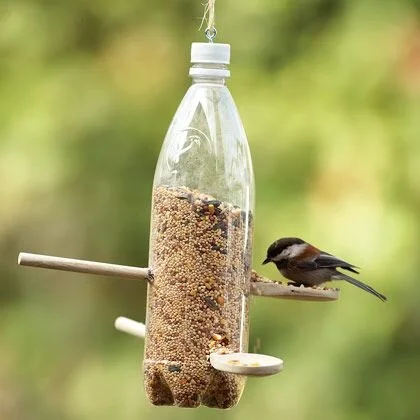
Water Bottle Bird Feeder via Disney Family Fun
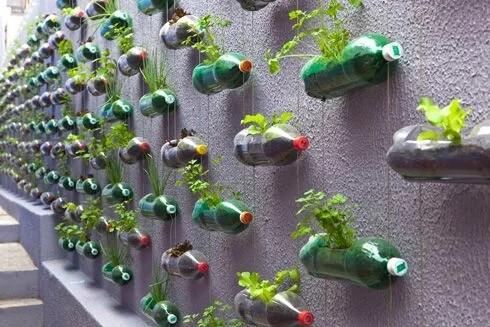
Plastic Bottle Hanging Garden via Rosenbaum
Verb 1 - “To Cut”
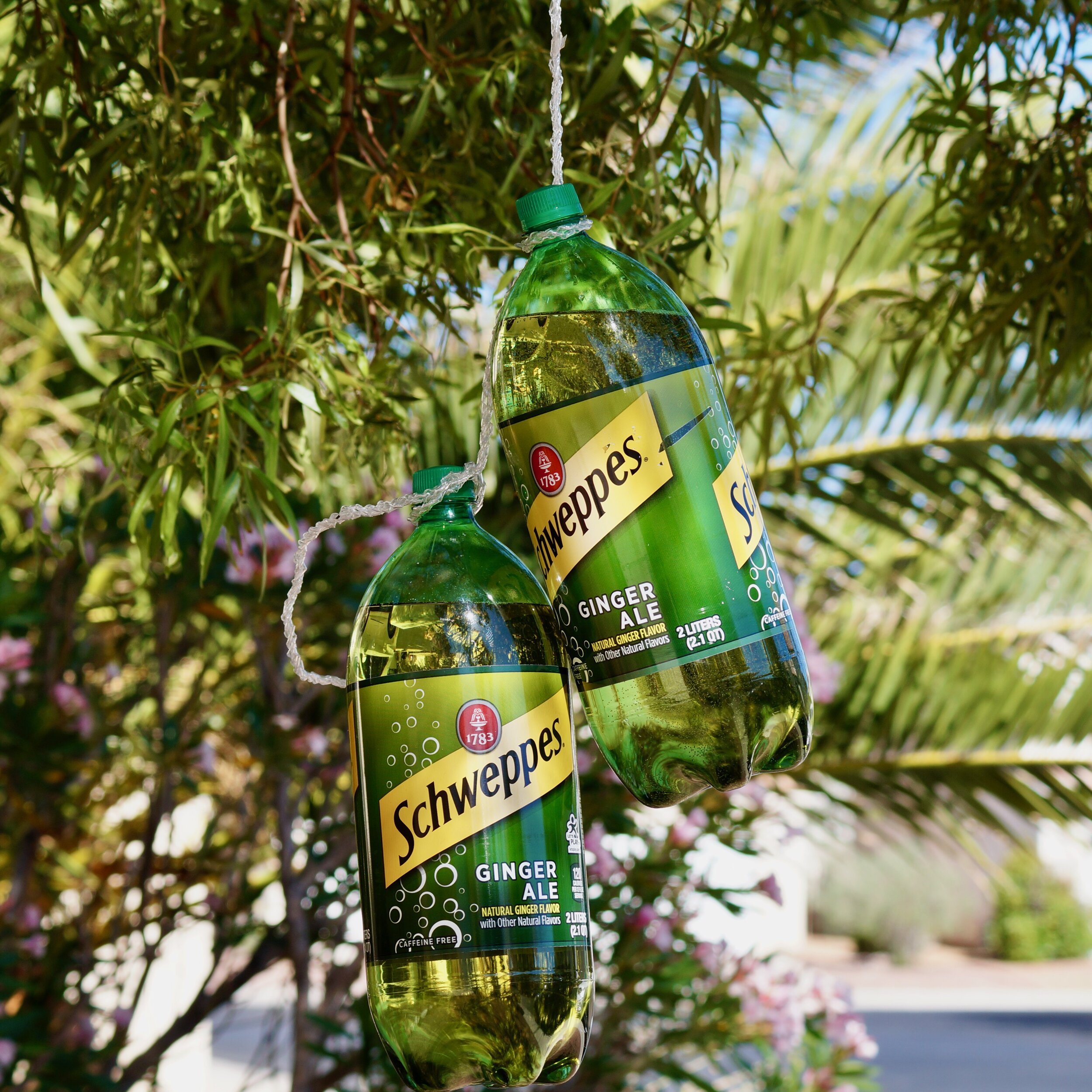
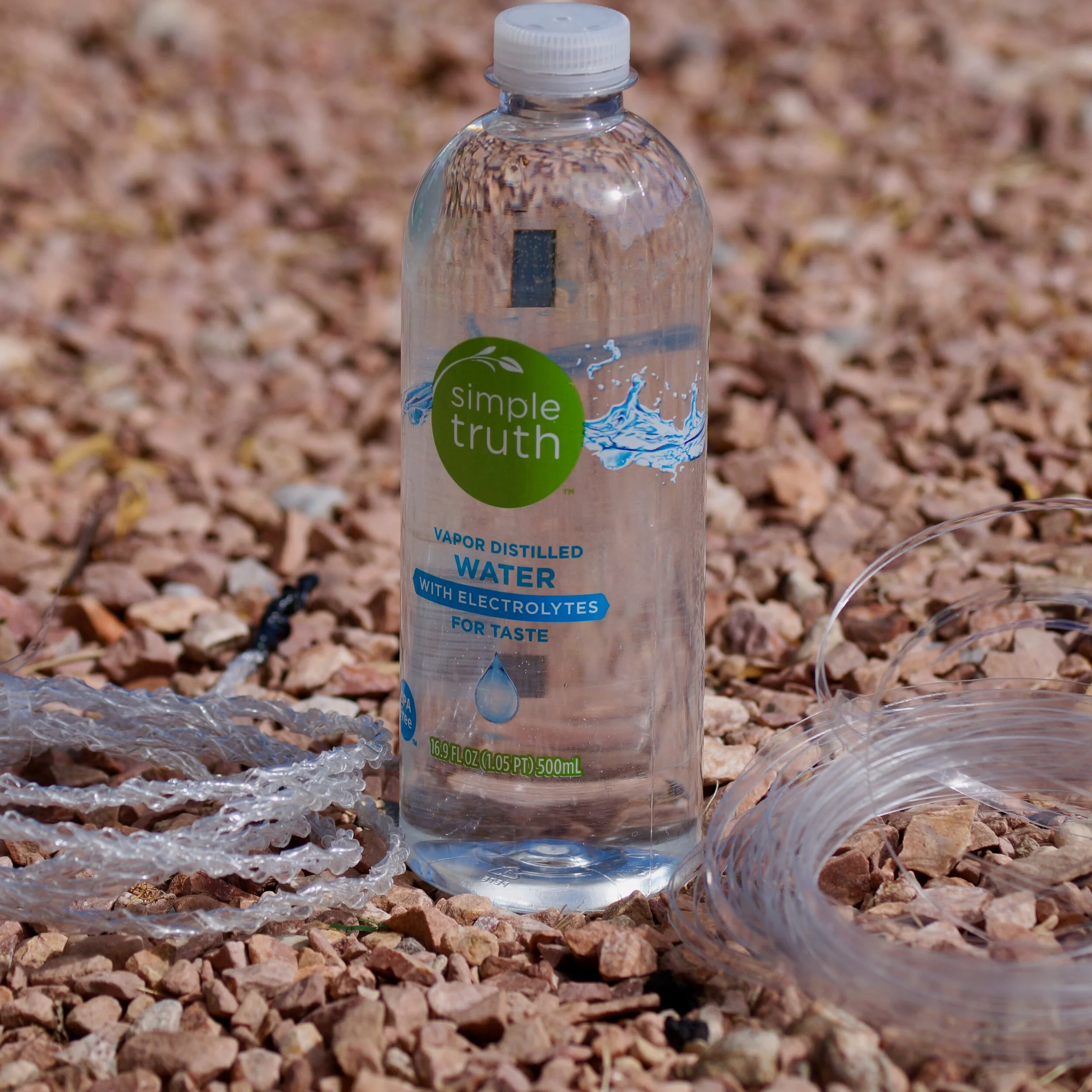
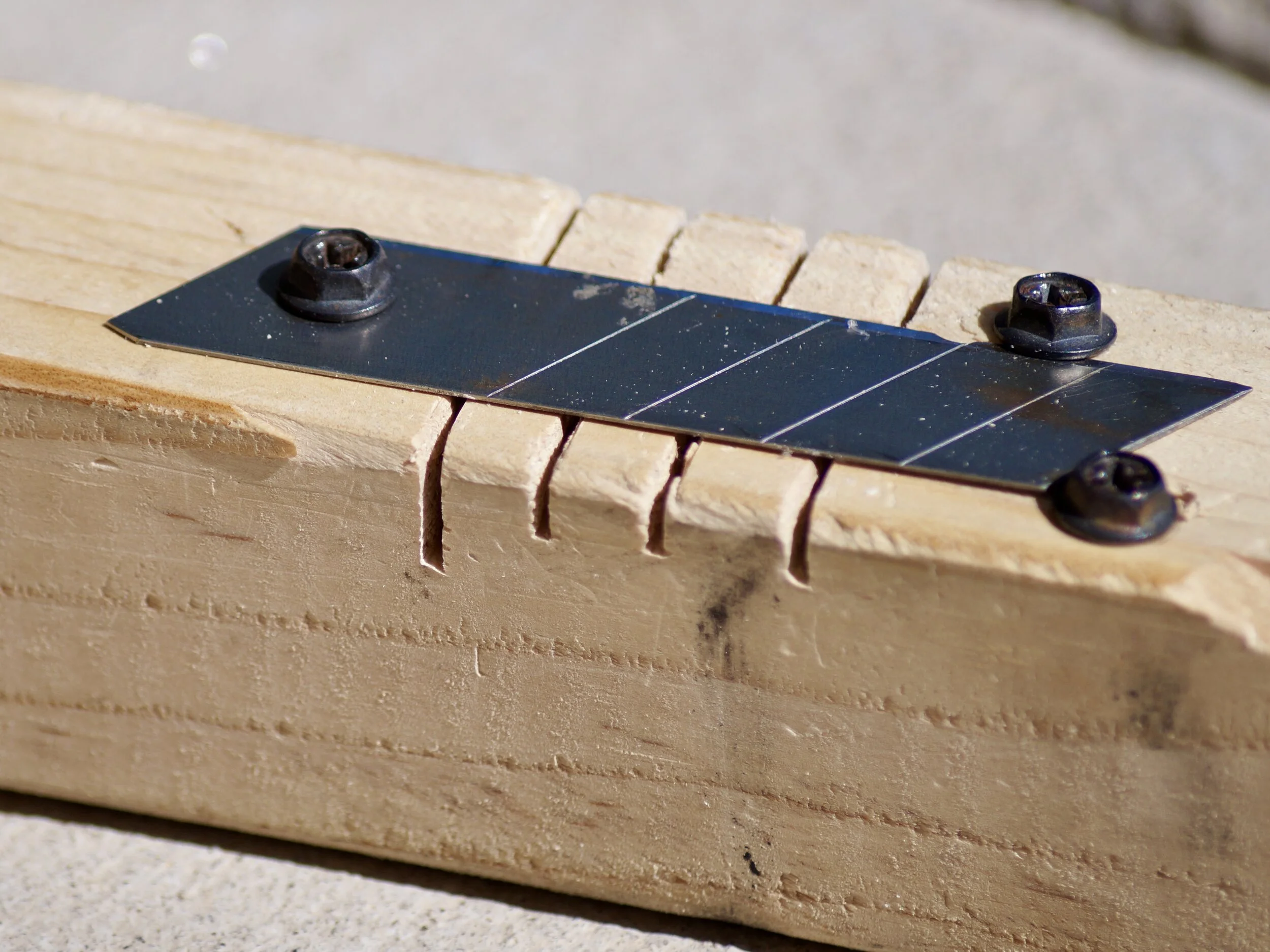
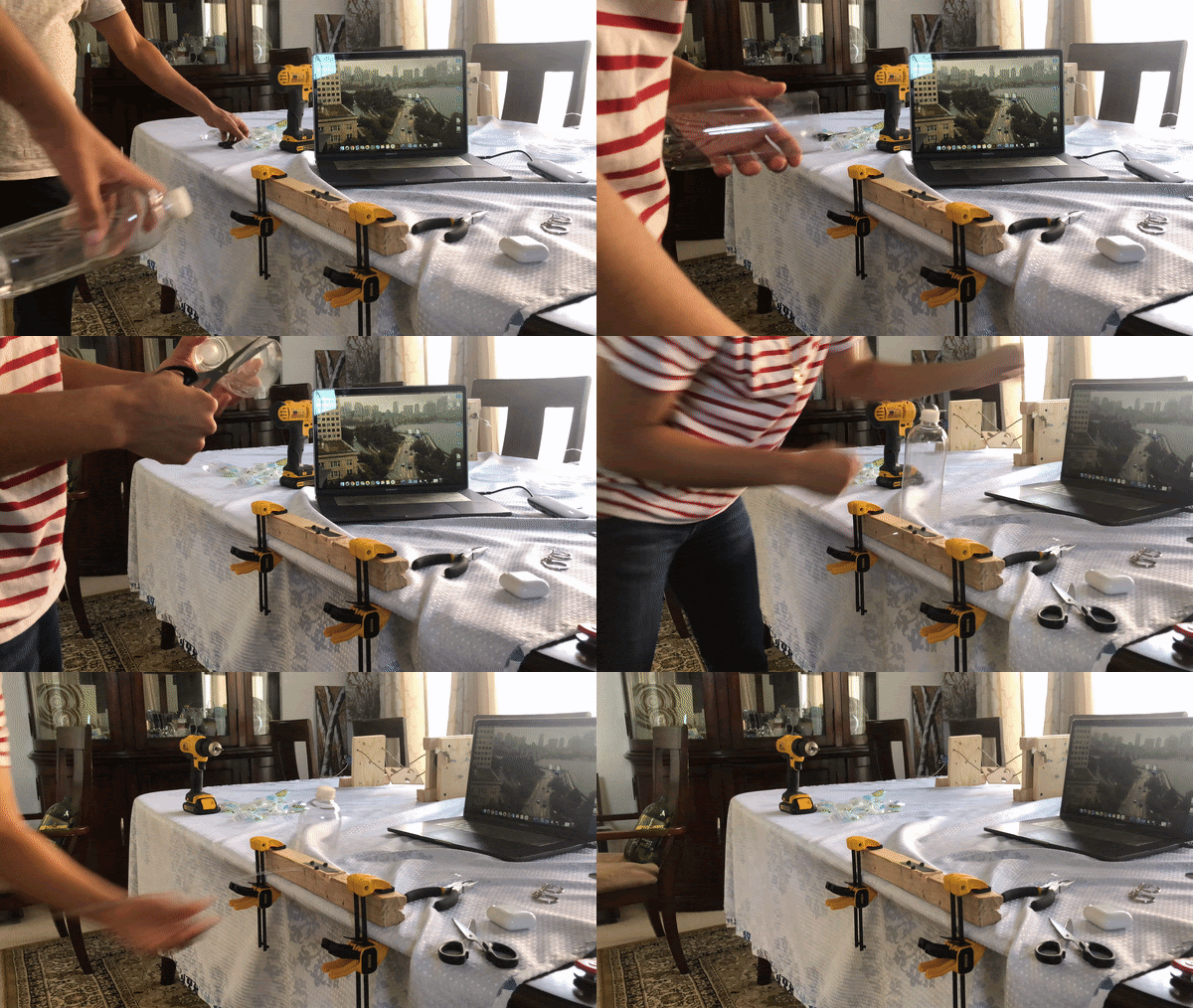
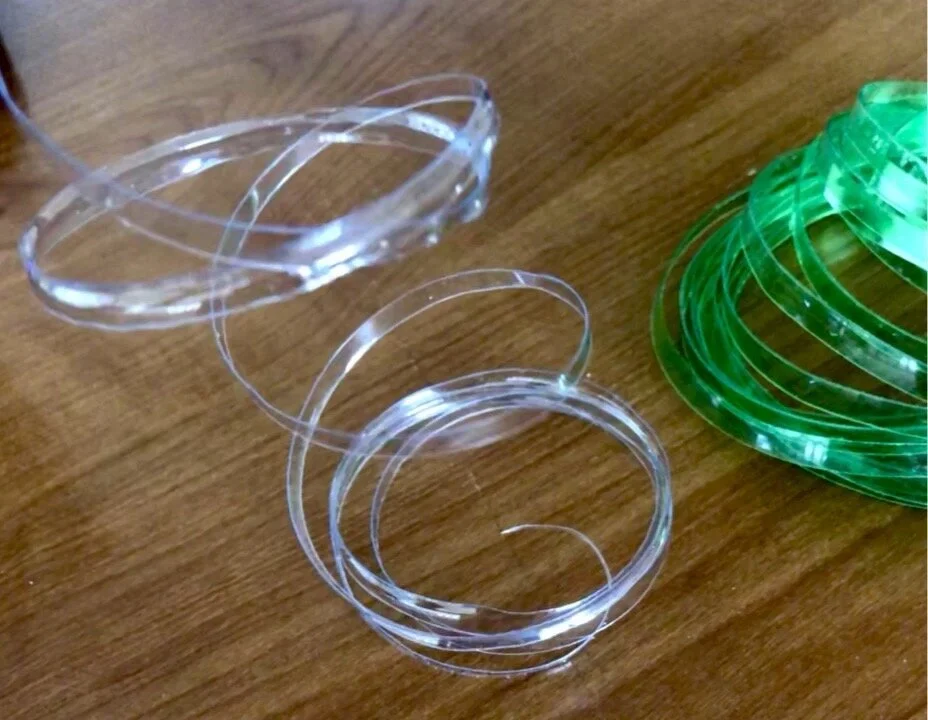
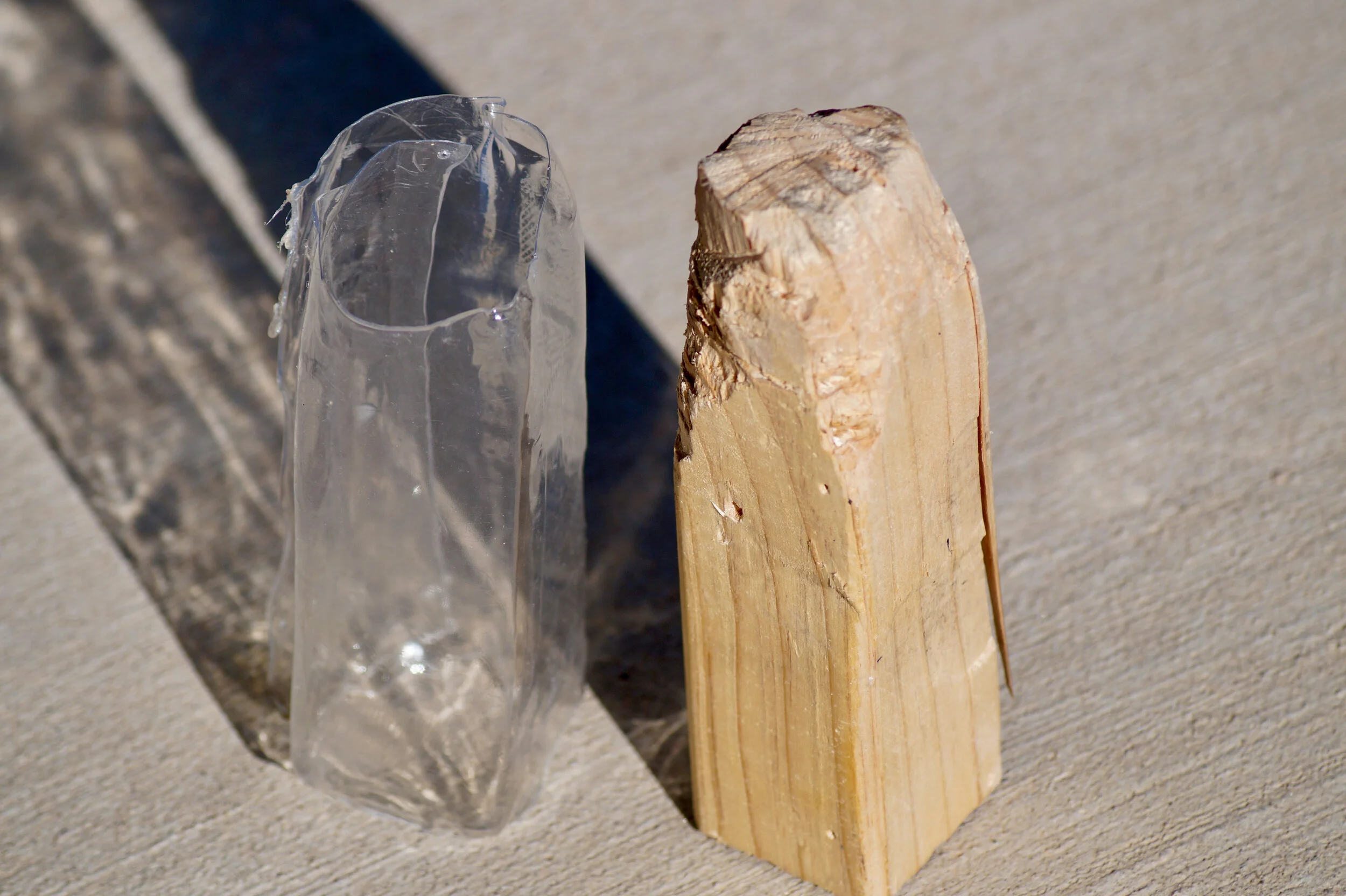
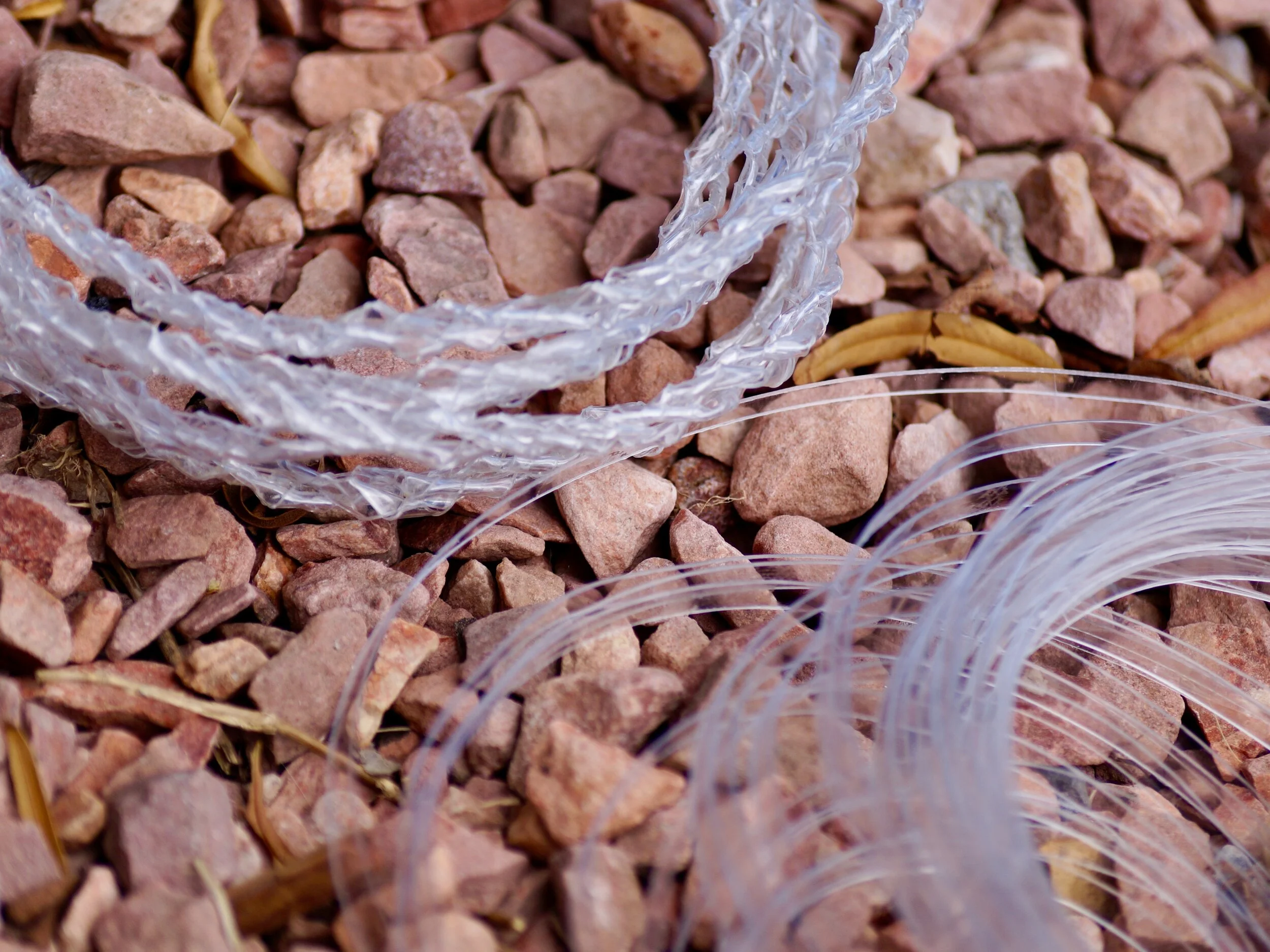
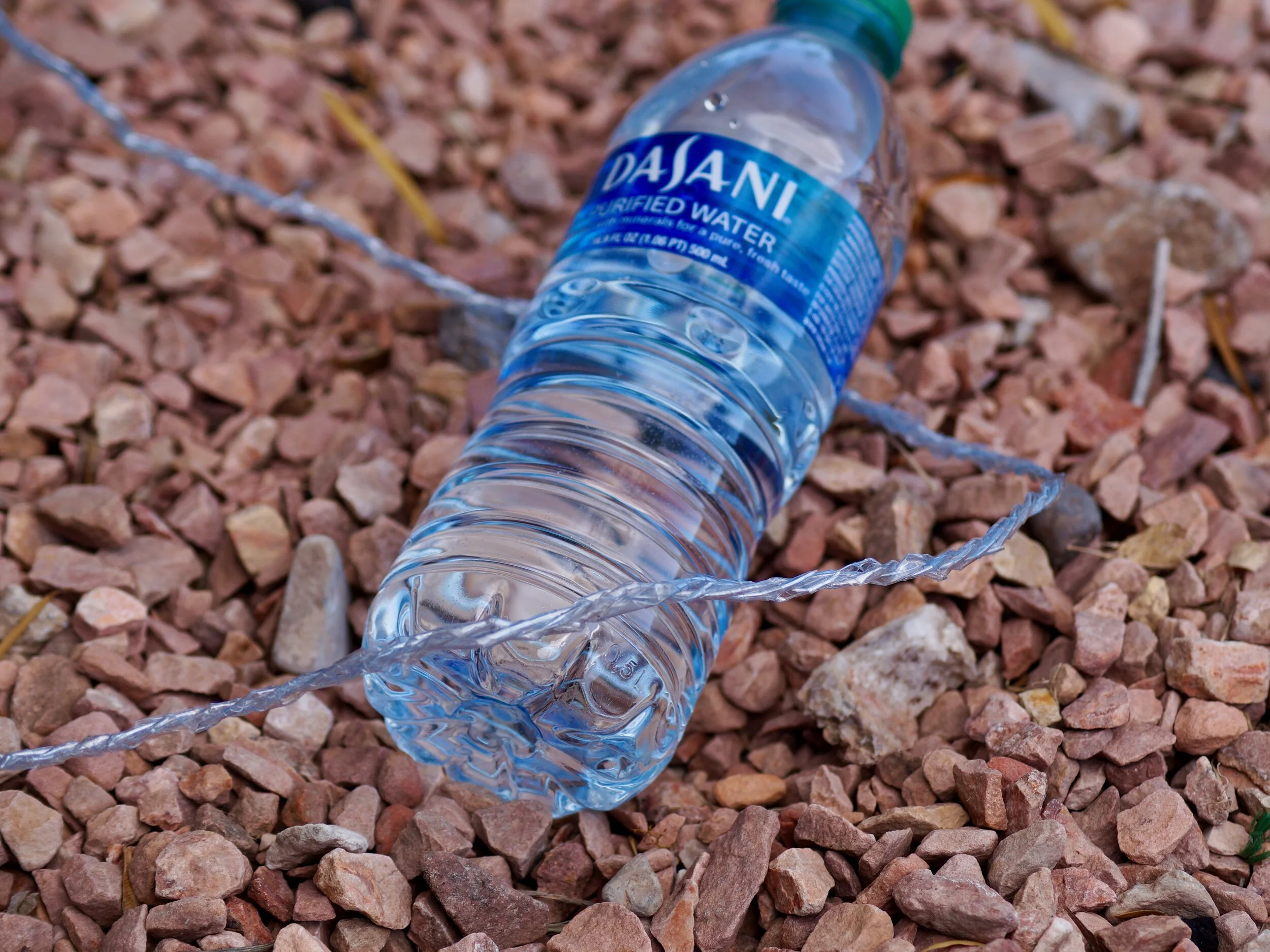
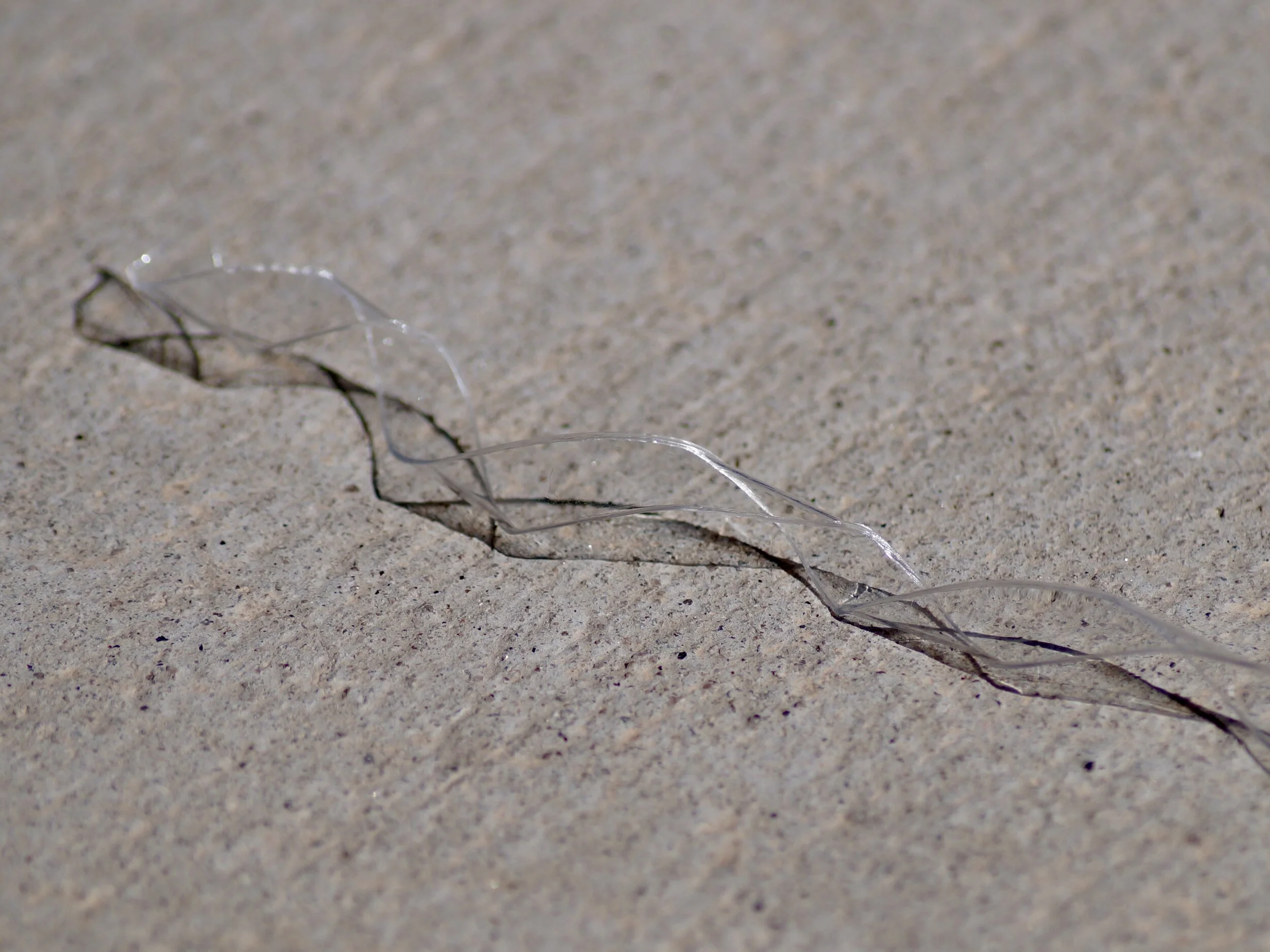
This verb was the foundation of my entire material actions project. As mentioned earlier, my goal was to find a more intriguing way to use plastic bottles, and after looking at many sources I found that many survivalist cut plastic into thin strips to tie things. This lead me to create a simple cutting device out of a razor blade and chunk of wood that allowed me to take a bottle and strip it down to a bundle of plastic string.
Verb 2 - “To Heat”
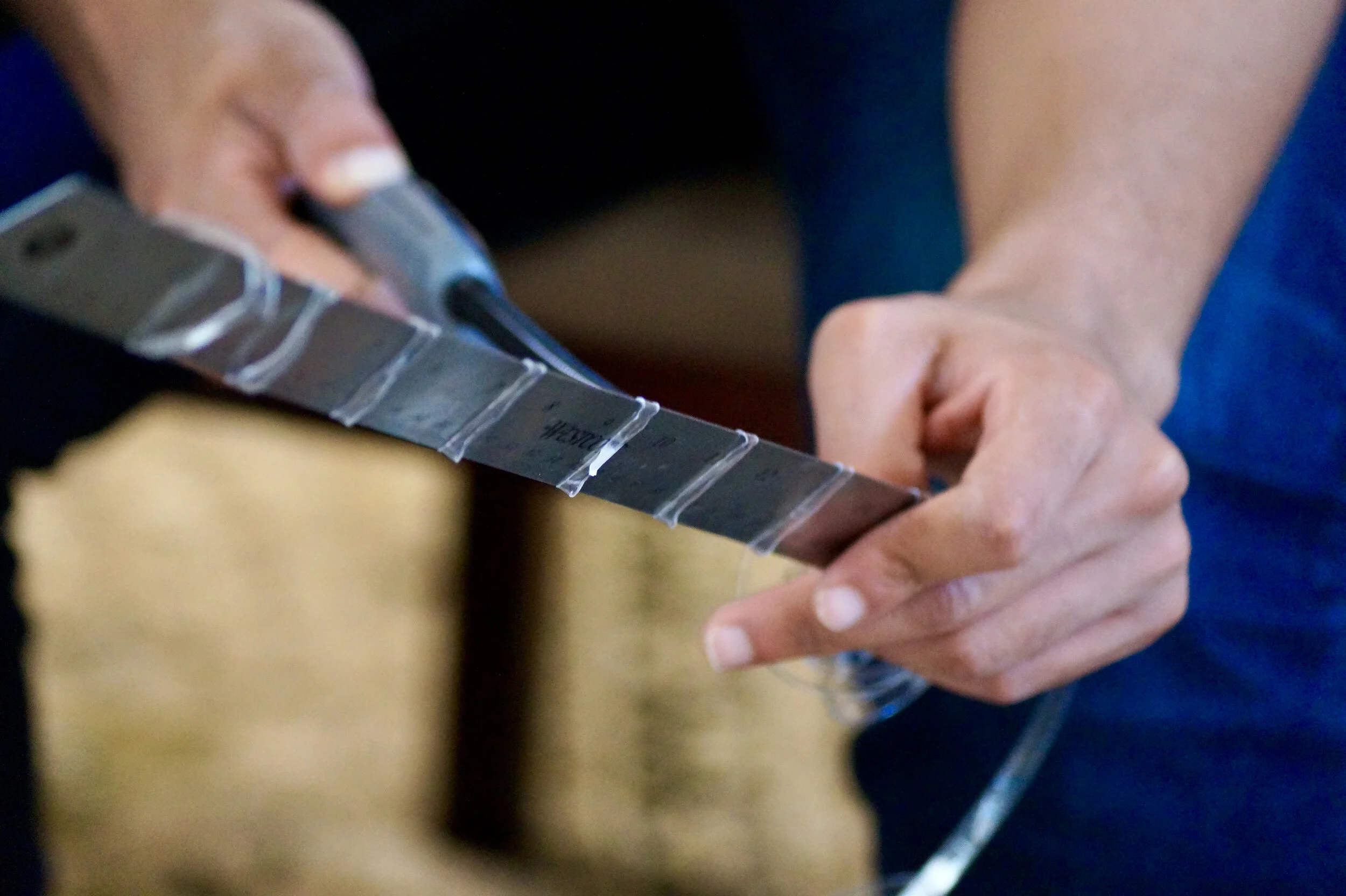
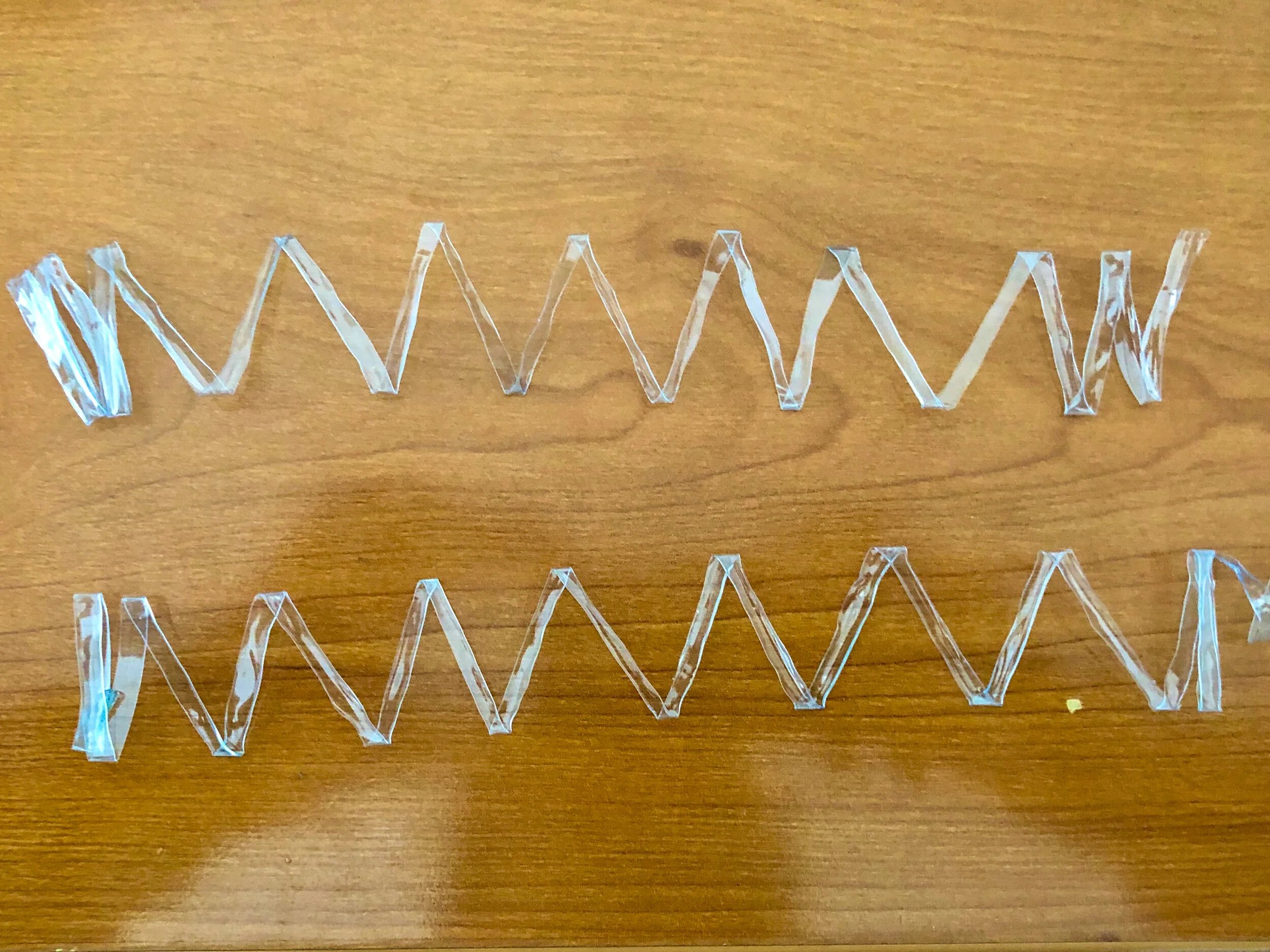
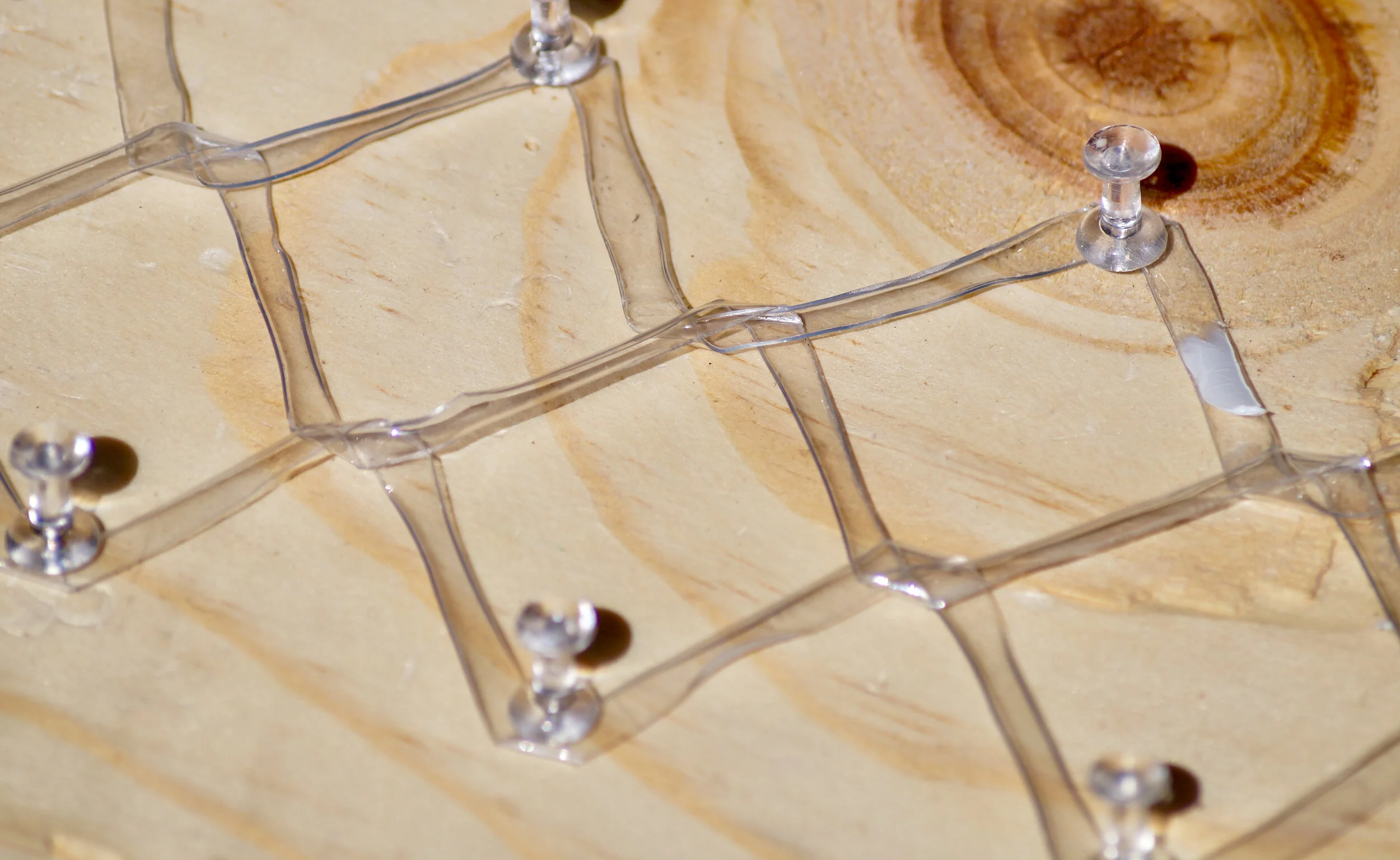
With the water bottles in a new form, the next verb I explored was to heat. From my engineering classes, I knew that plastic like materials like to shrink and become more brittle when heated, so I wanted to see how I could use that to create shapes with the plastic string. I wrapped the plastic string around a ruler into a chain link pattern and heated the plastic using a lighter to make it stronger, then I took these chain link strips and linked them together to make a plastic fence.
Furthermore, I wanted to explore if the plastic bottles could be heated around irregular shapes to make a mold of it. This idea had potential, but my blow dryer at home did not have the heat necessary to make it successful.
Verb 3 - “To Braid”
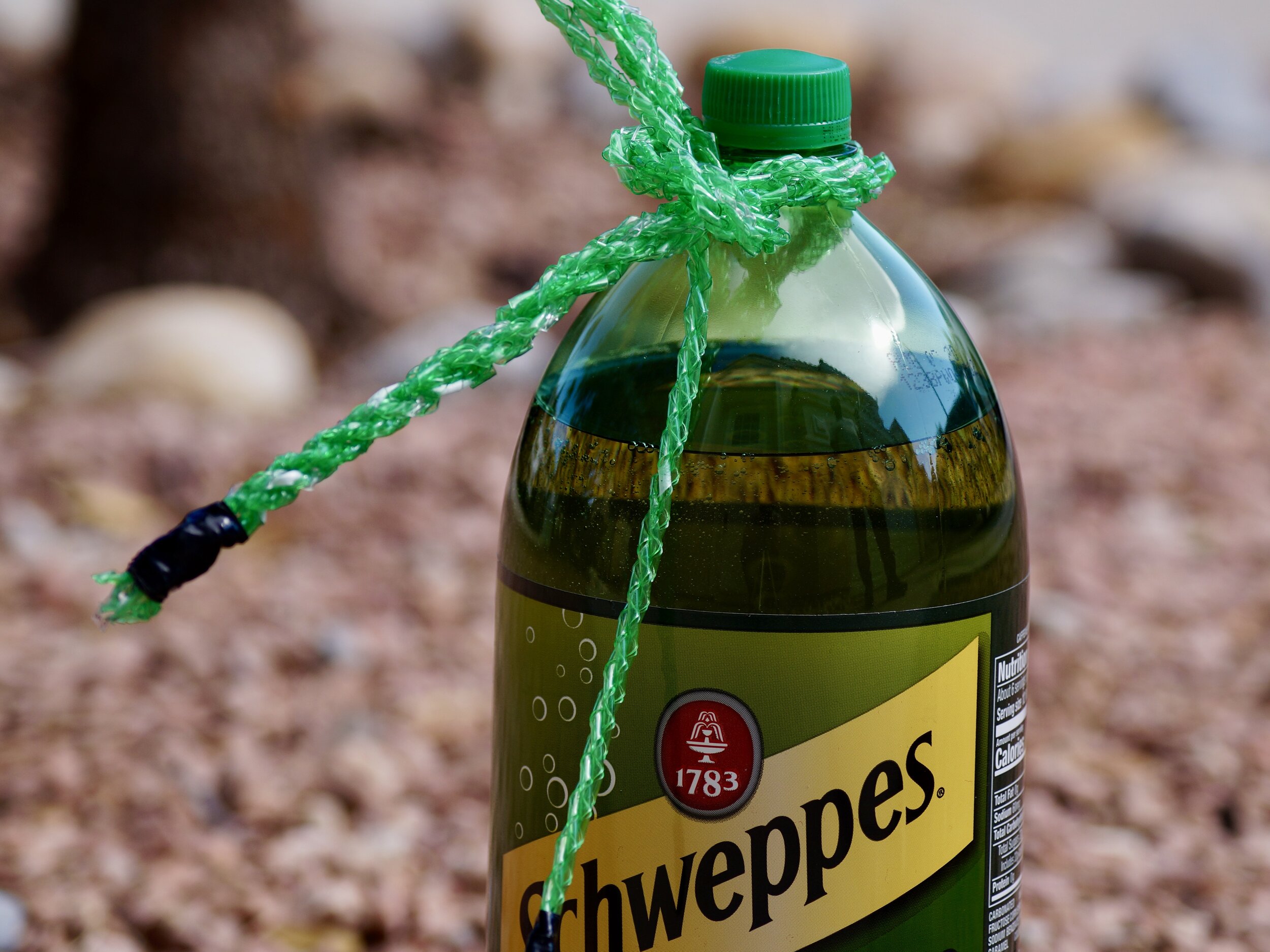
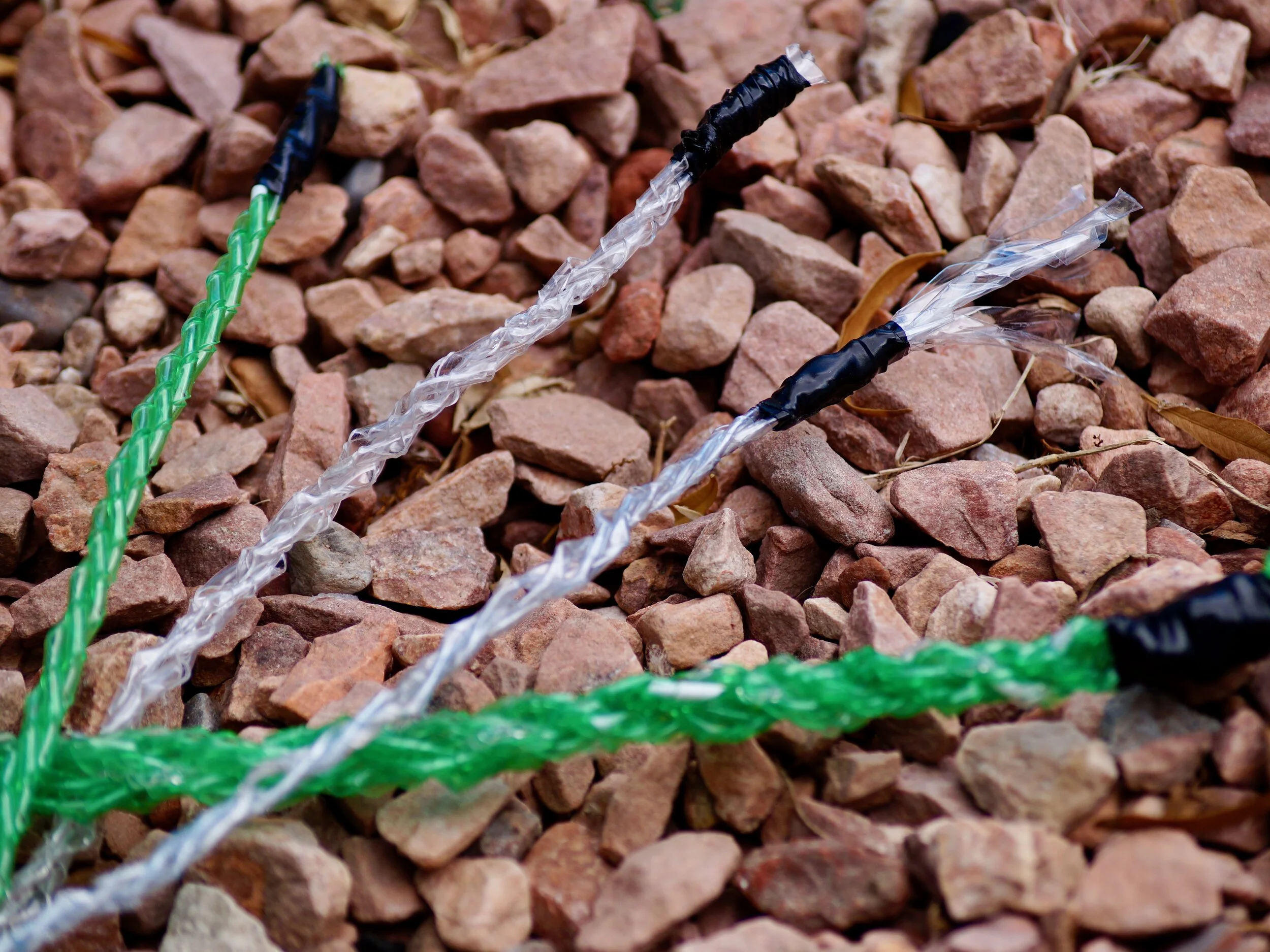
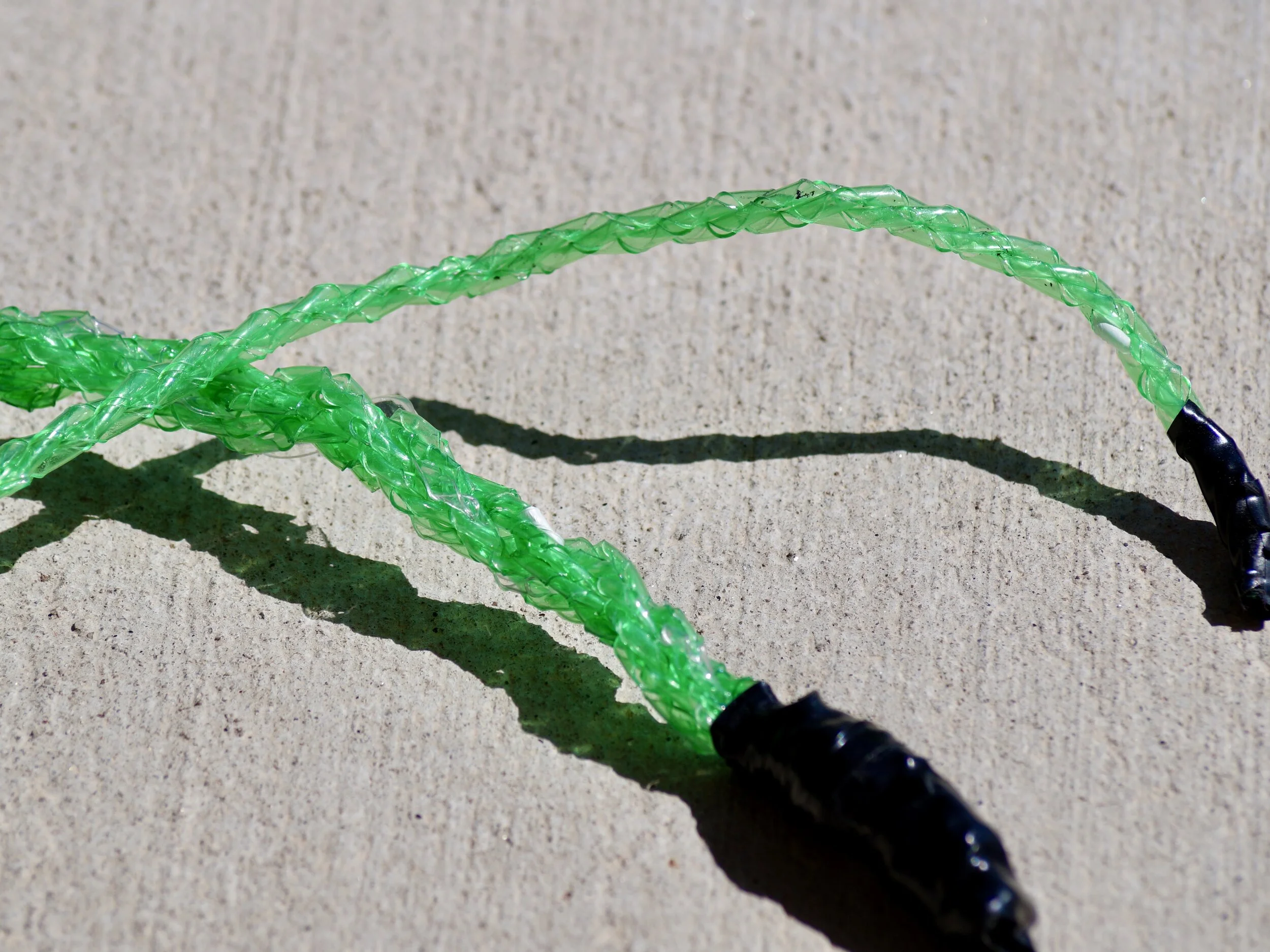
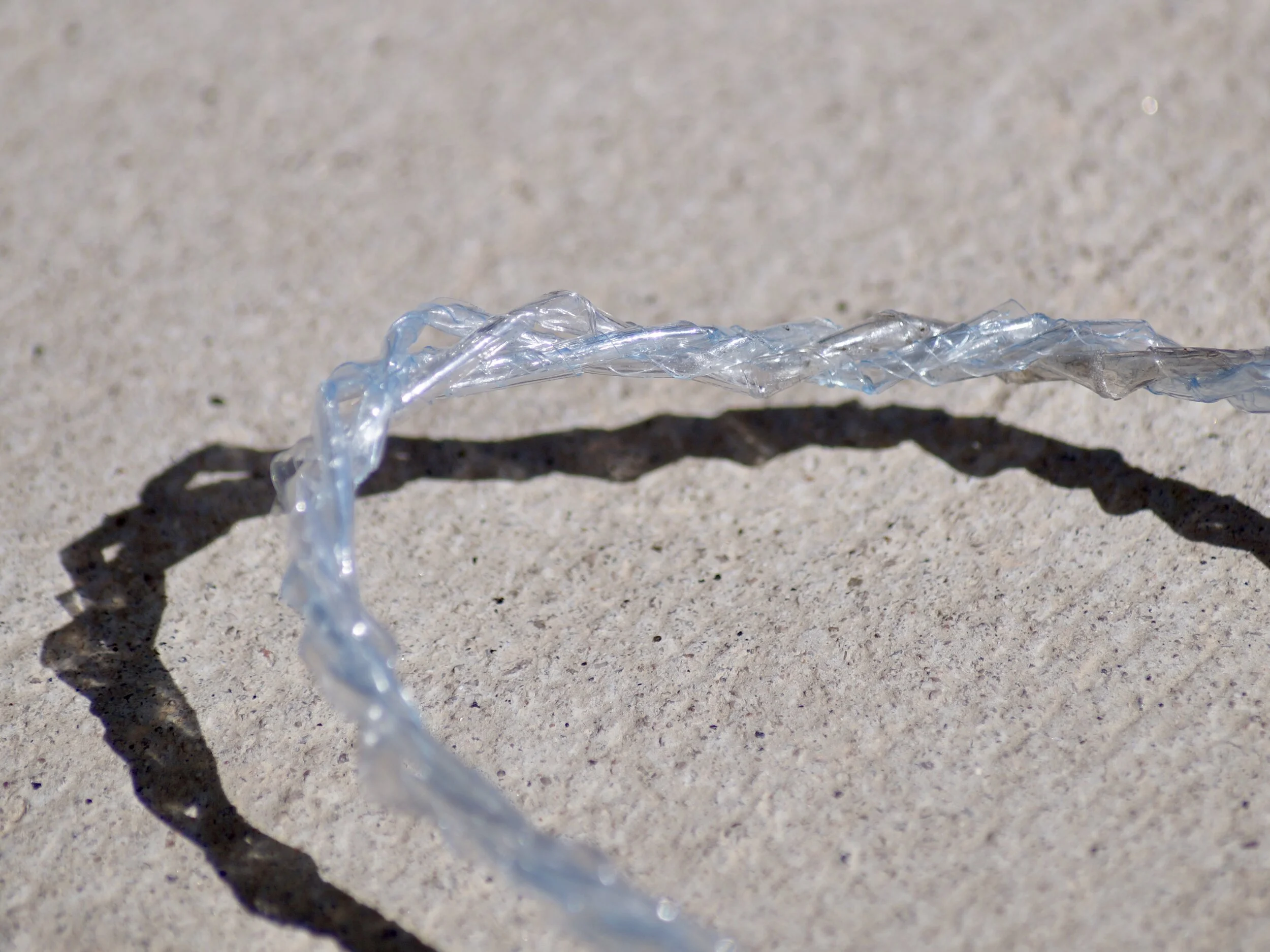
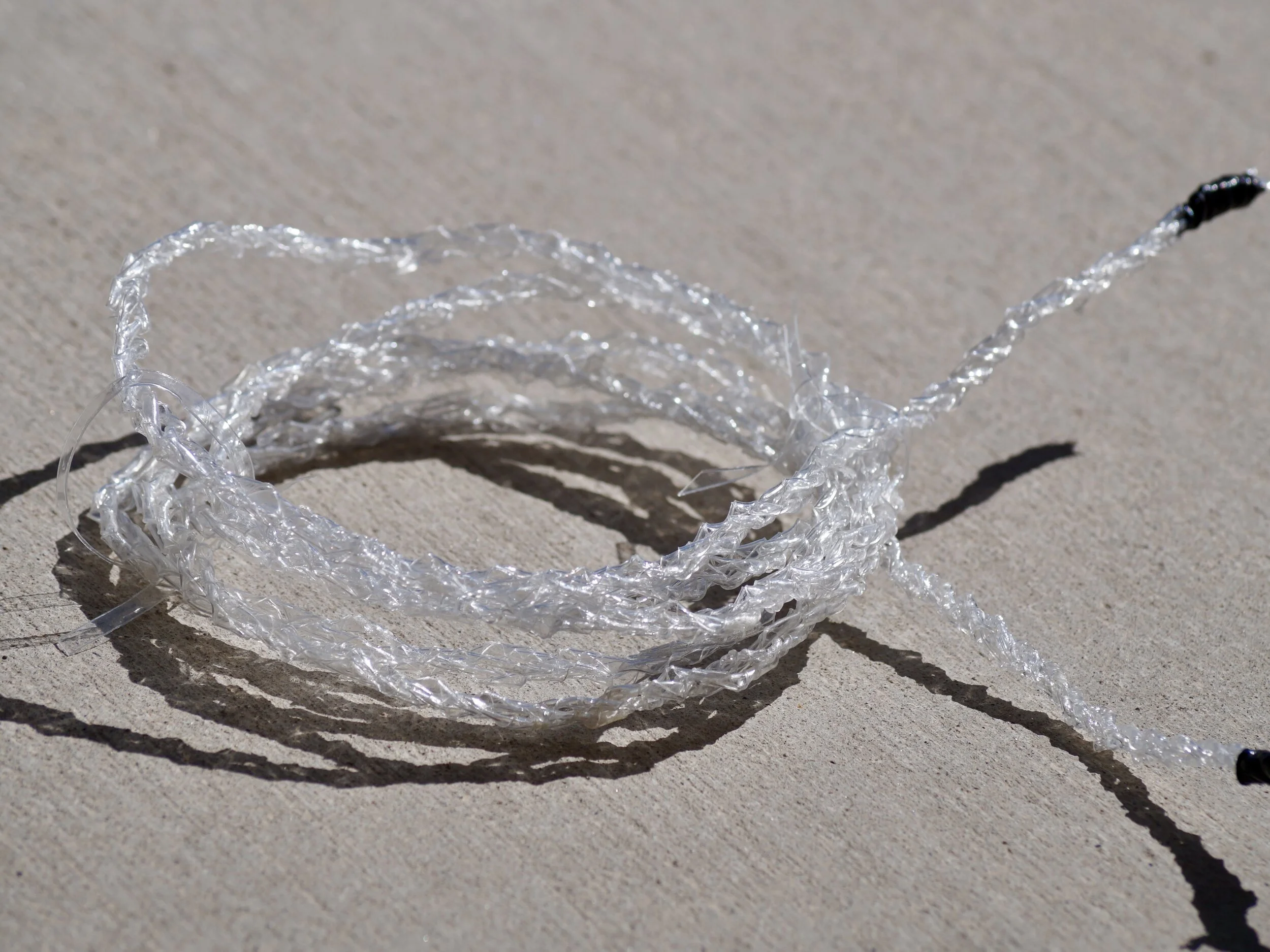
The last, and most intensive verb I explored was “to braid”. After making the string it was already strong itself, and could be sued for simple things like tying small objects, fish line, and more, but it was flat and hard to grab onto. This inspired me to take the natural next step and braid the string to make rope. The rope would provide more grip and increase the strength opening the doors for new uses for the plastic bottle string/rope. I experimented braiding three strings into one rope and then three ropes into a thicker rope
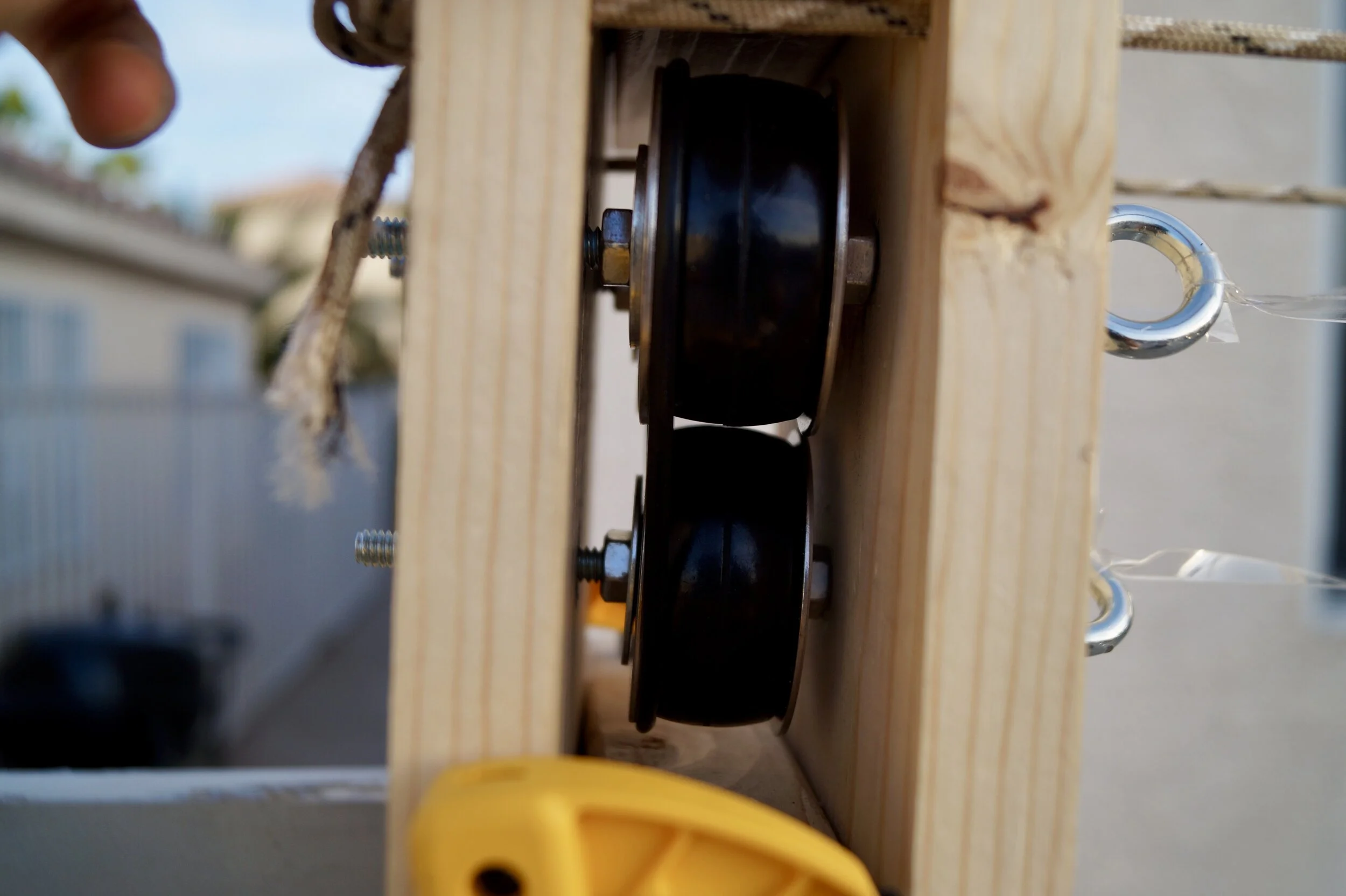
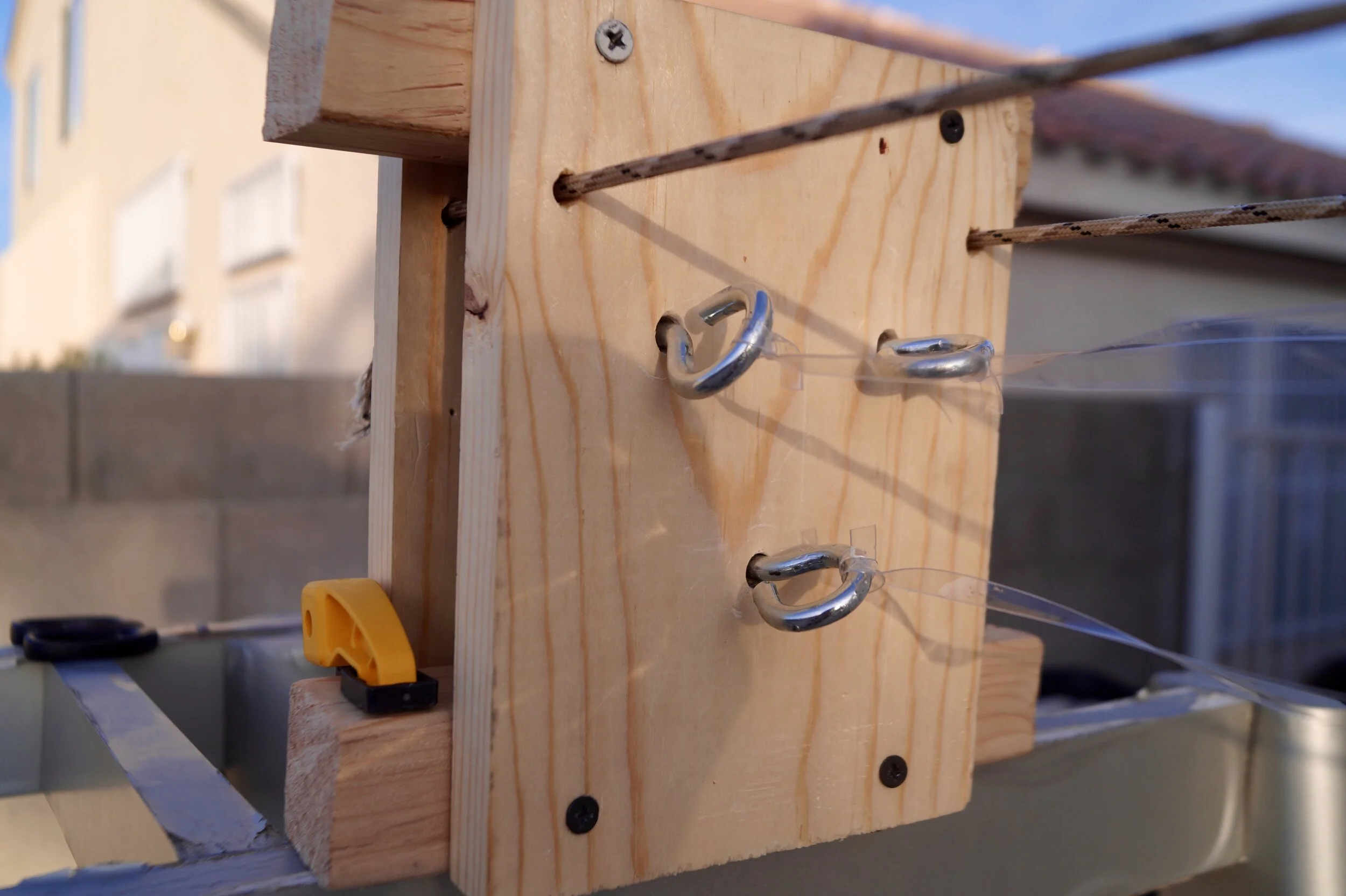
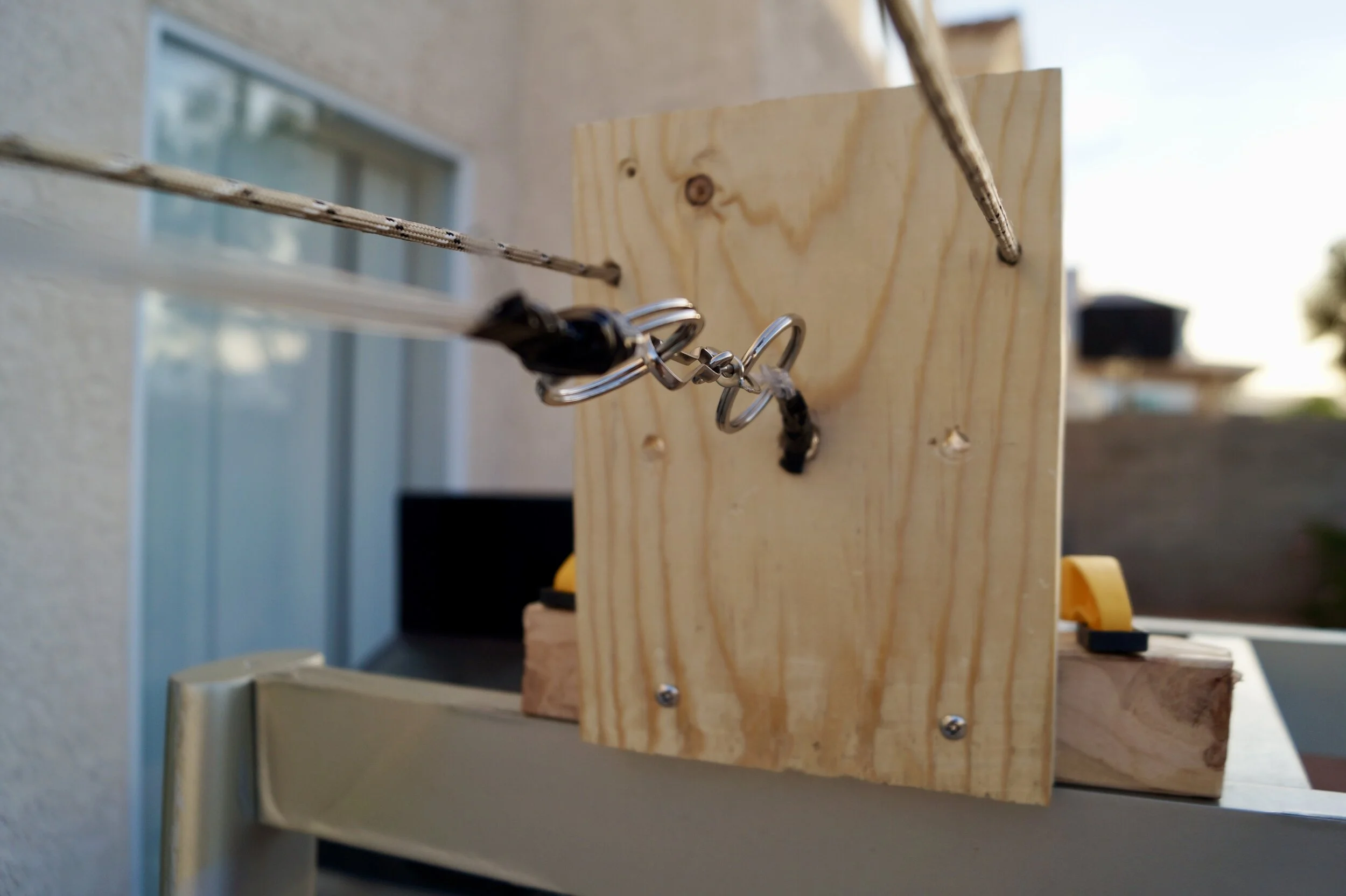
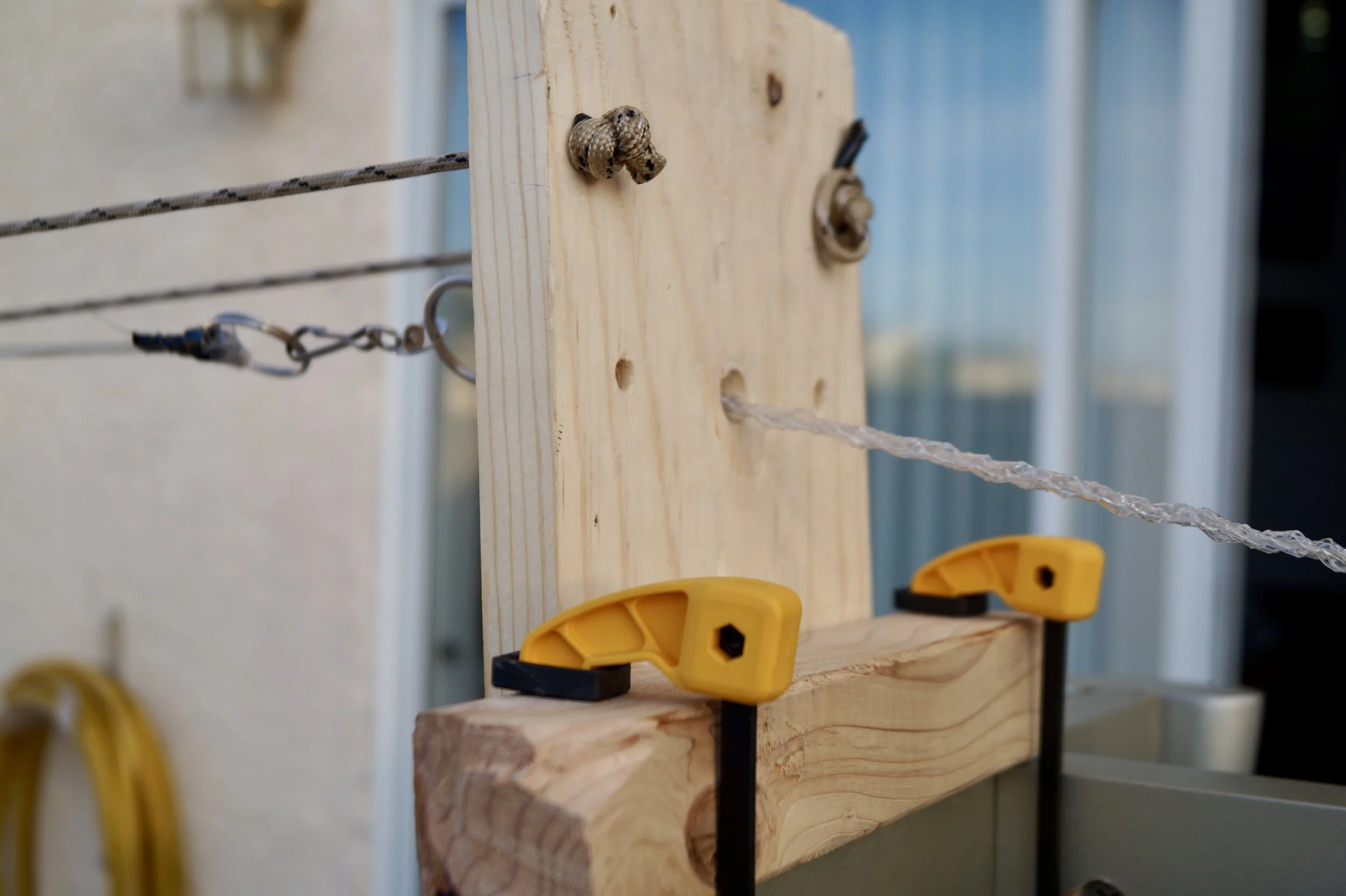
In order to make the flat plastic string into rope, I created a simple rope making machine for around $30 using wood, screws, a drill, and couple other small and simple construction items.
Final Product
+
Future Investigations
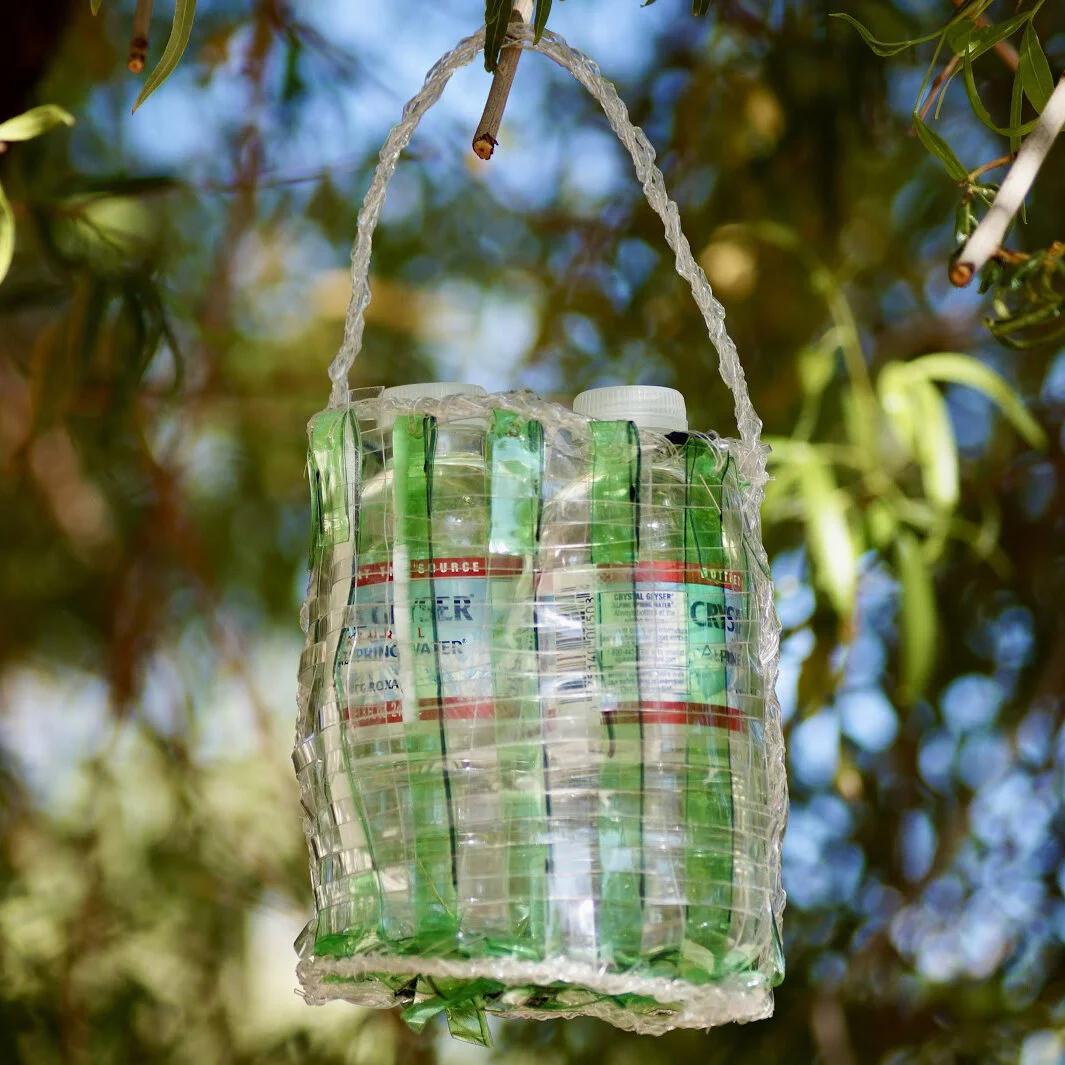
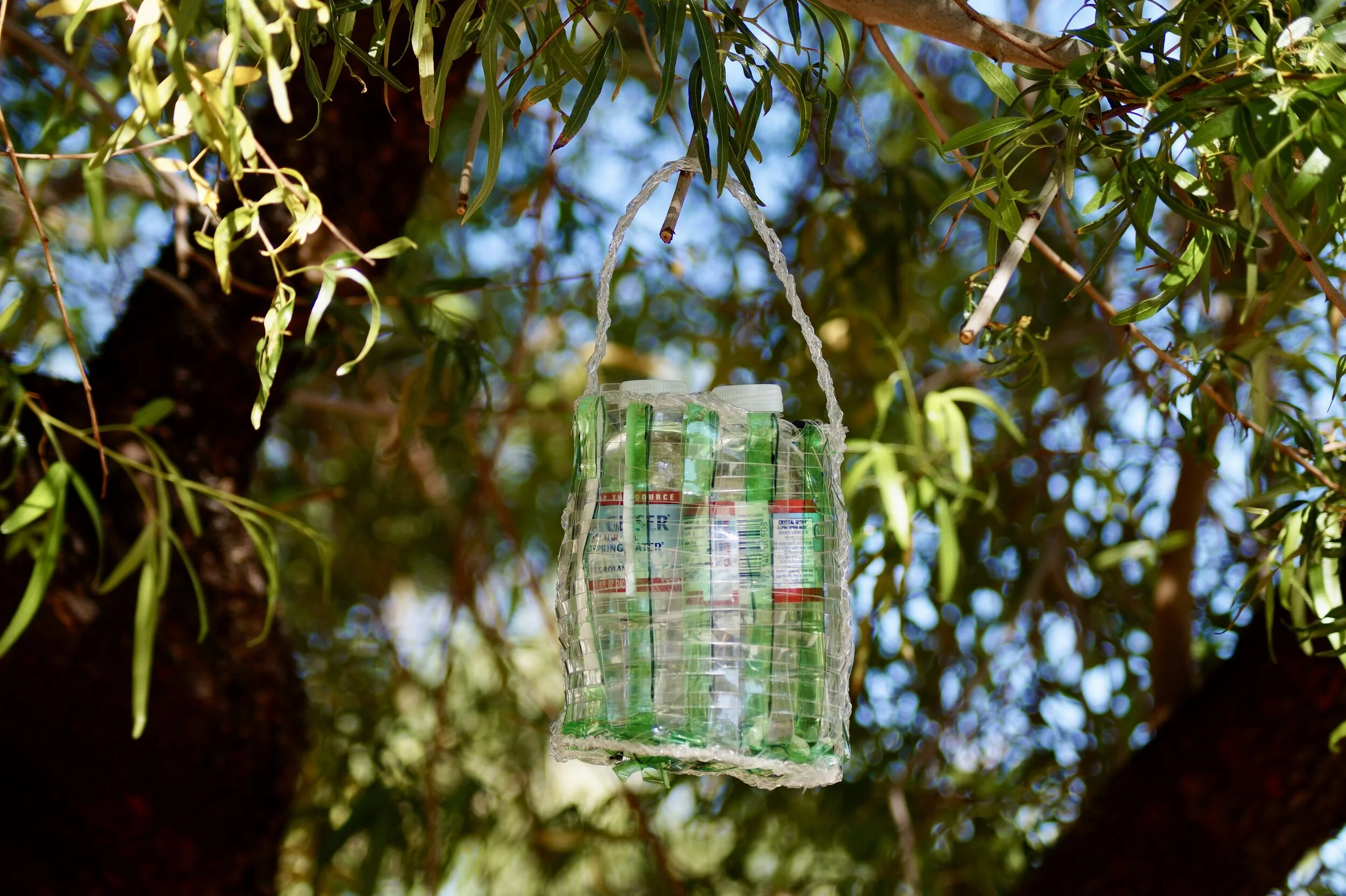
In the end, I think that I accomplished what I set out to do by transforming the bottle into something most would not imagine immediately. I made basket with the rope and heating the plastic strips technique; however With the string, rope, and chainlink techniques one could make many things line hammocks, fences, garden nets, and so on.
If I were to continue this project one thing I would do is further investigate the heat molding action, investigate if I could make the rope less jagged, and see if I could take the chain links and fold them into 3 dimensional shapes rather than flat surfaces.