Taming The Wind
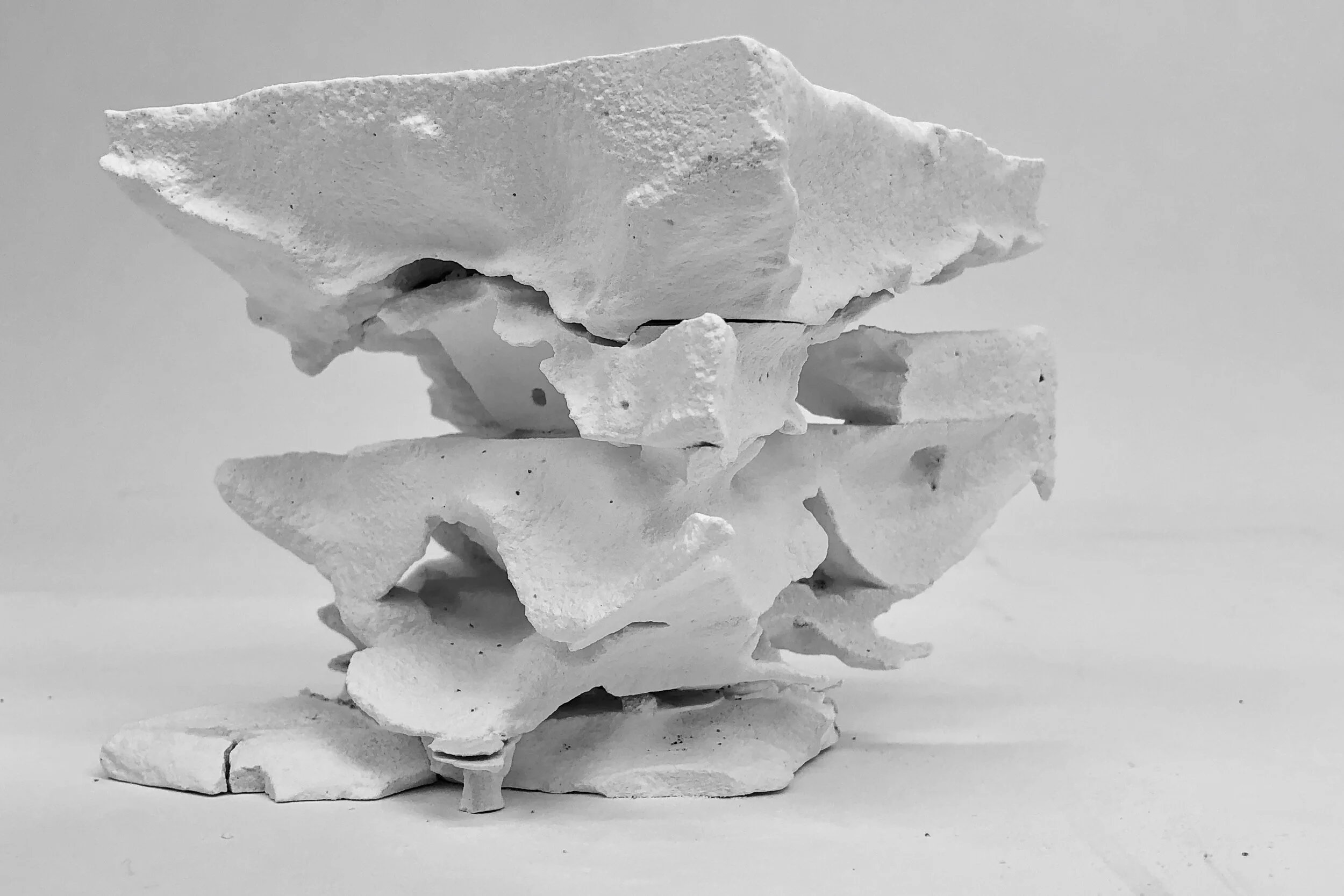
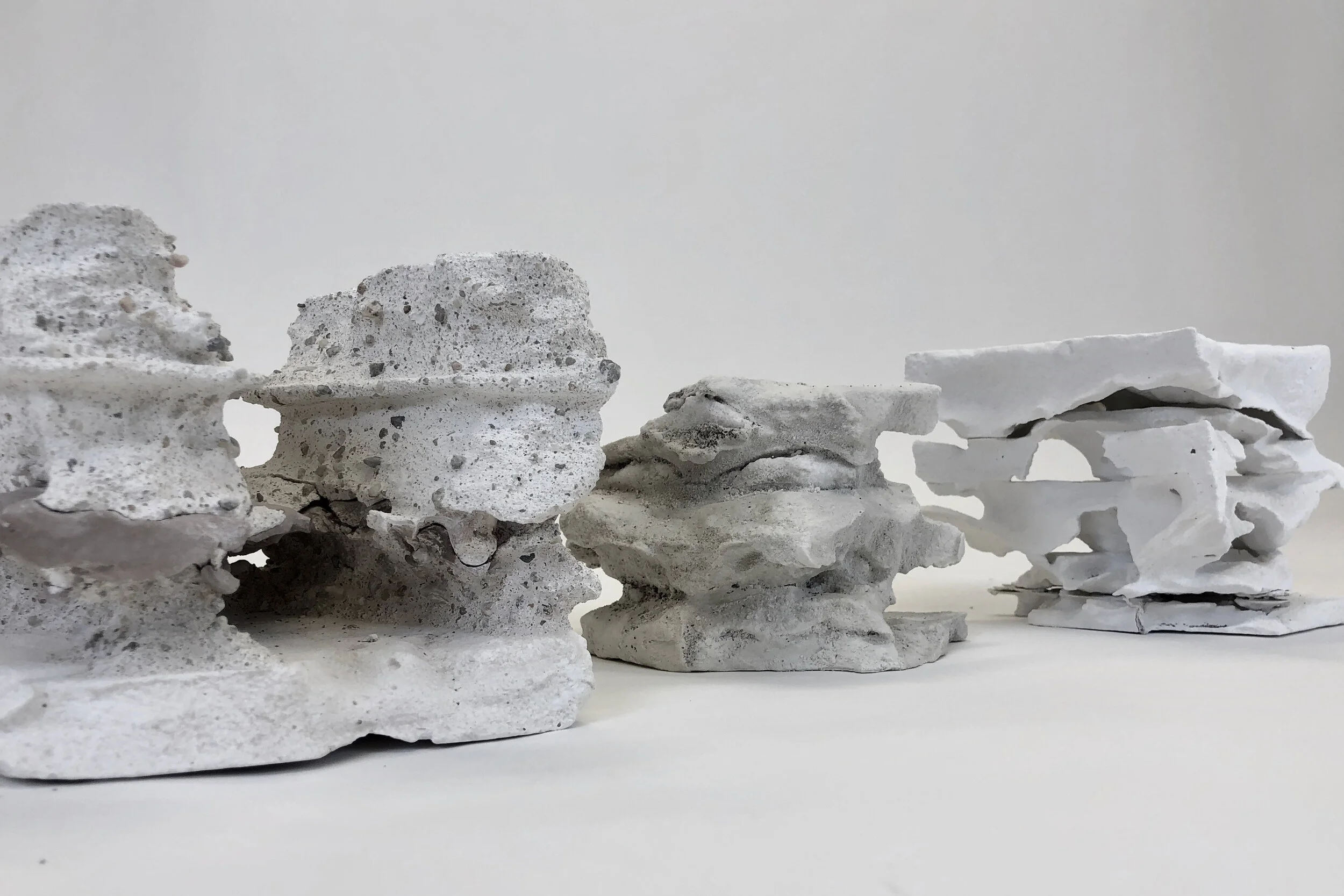
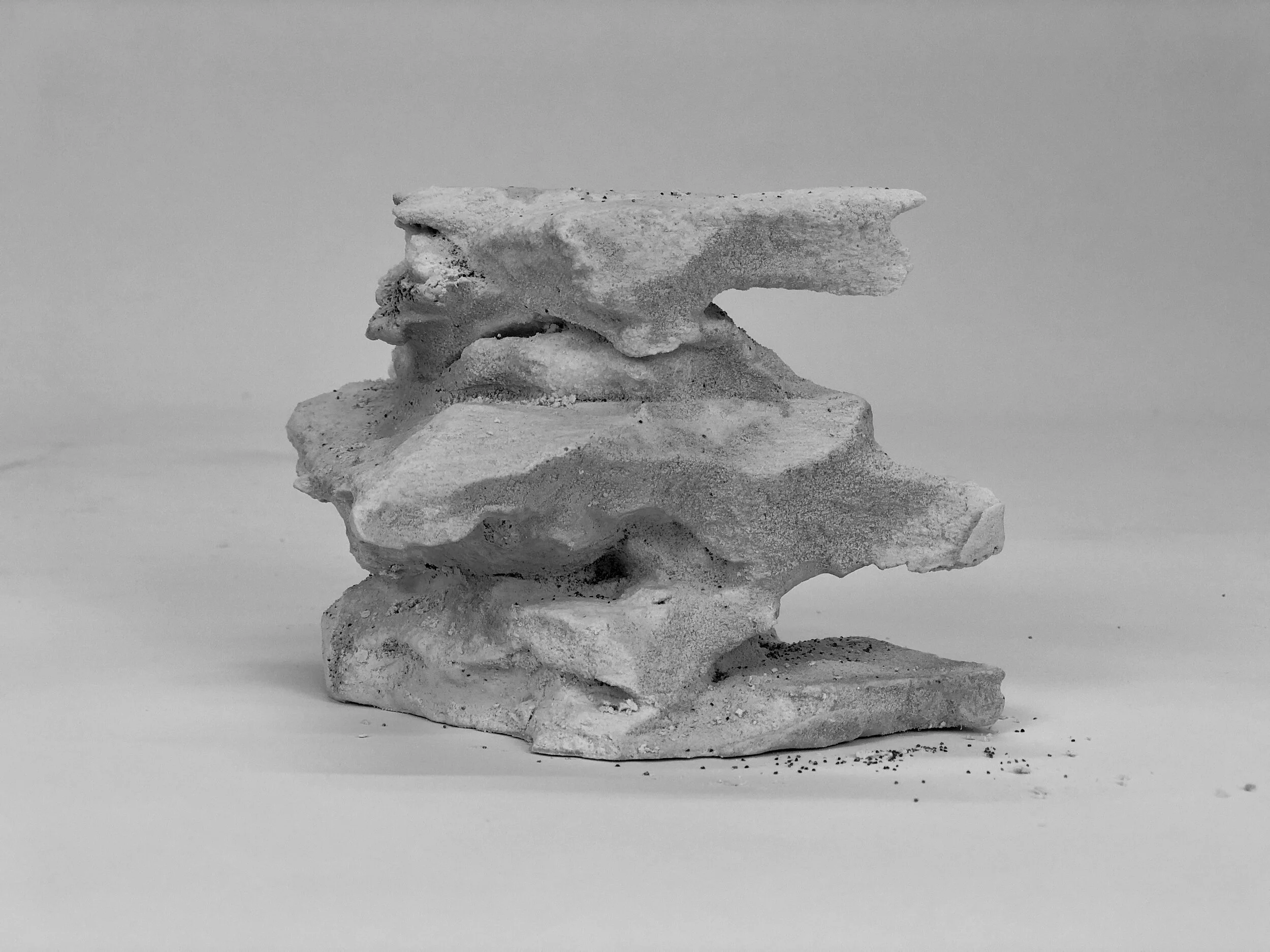
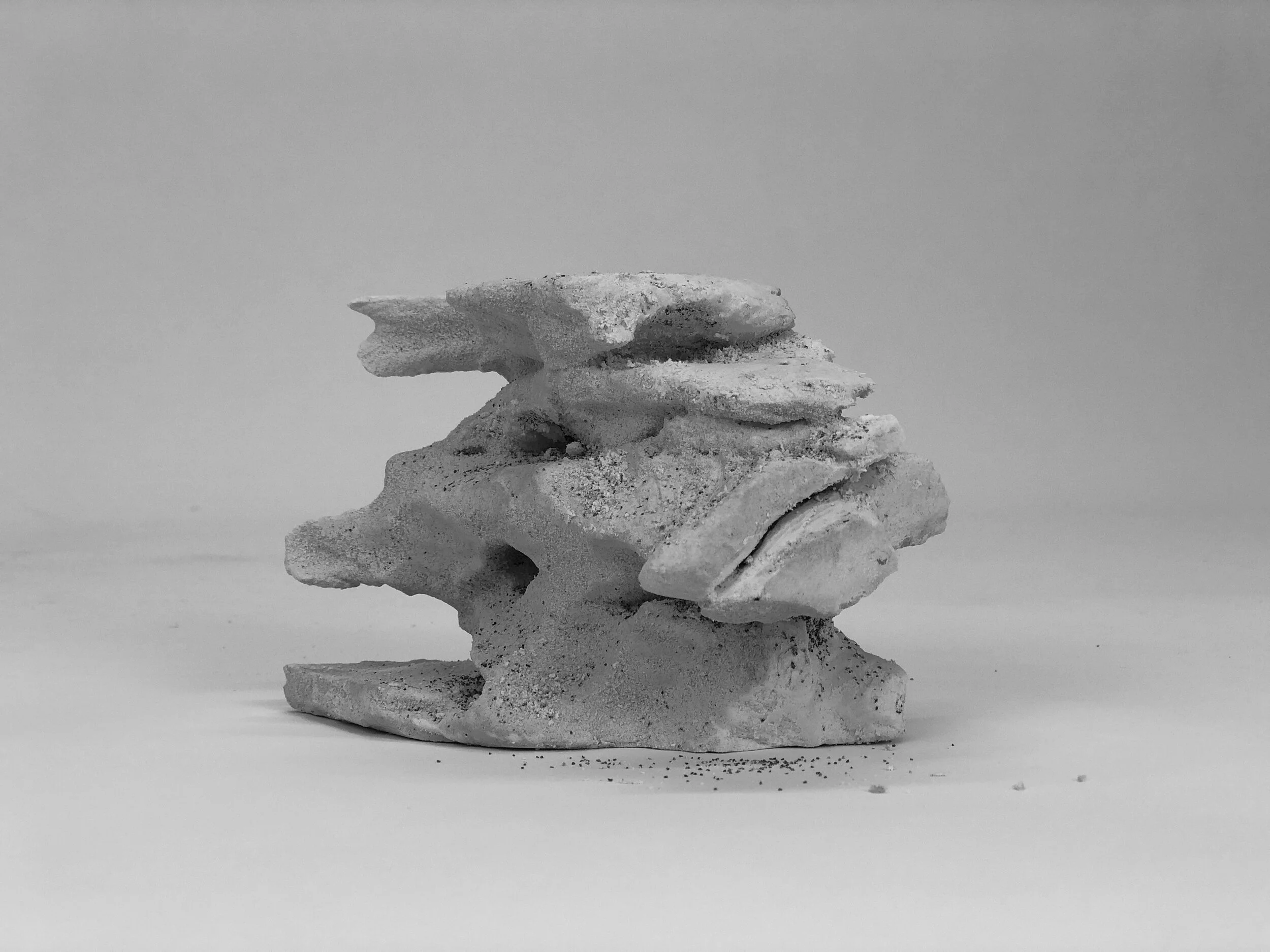
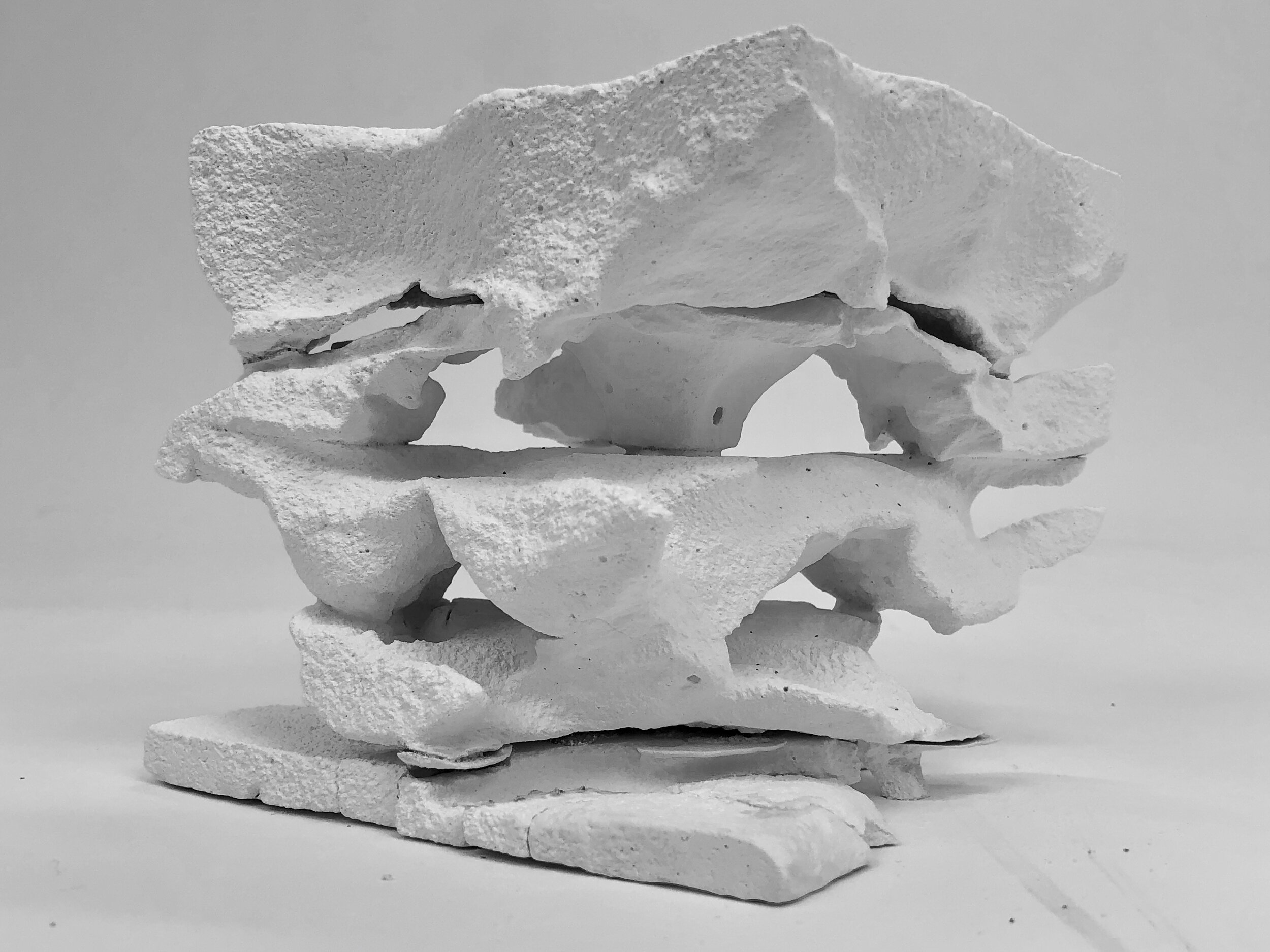
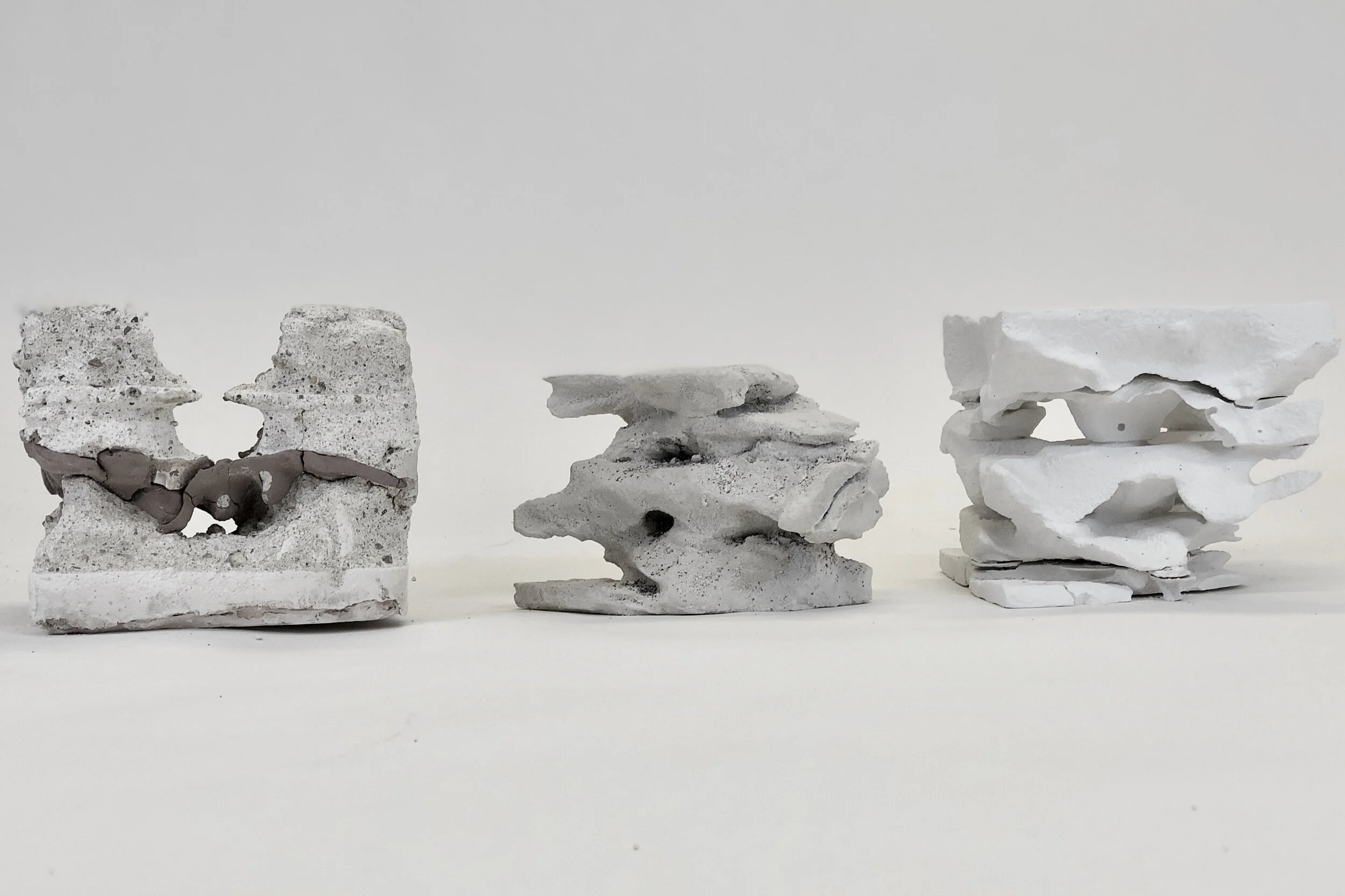
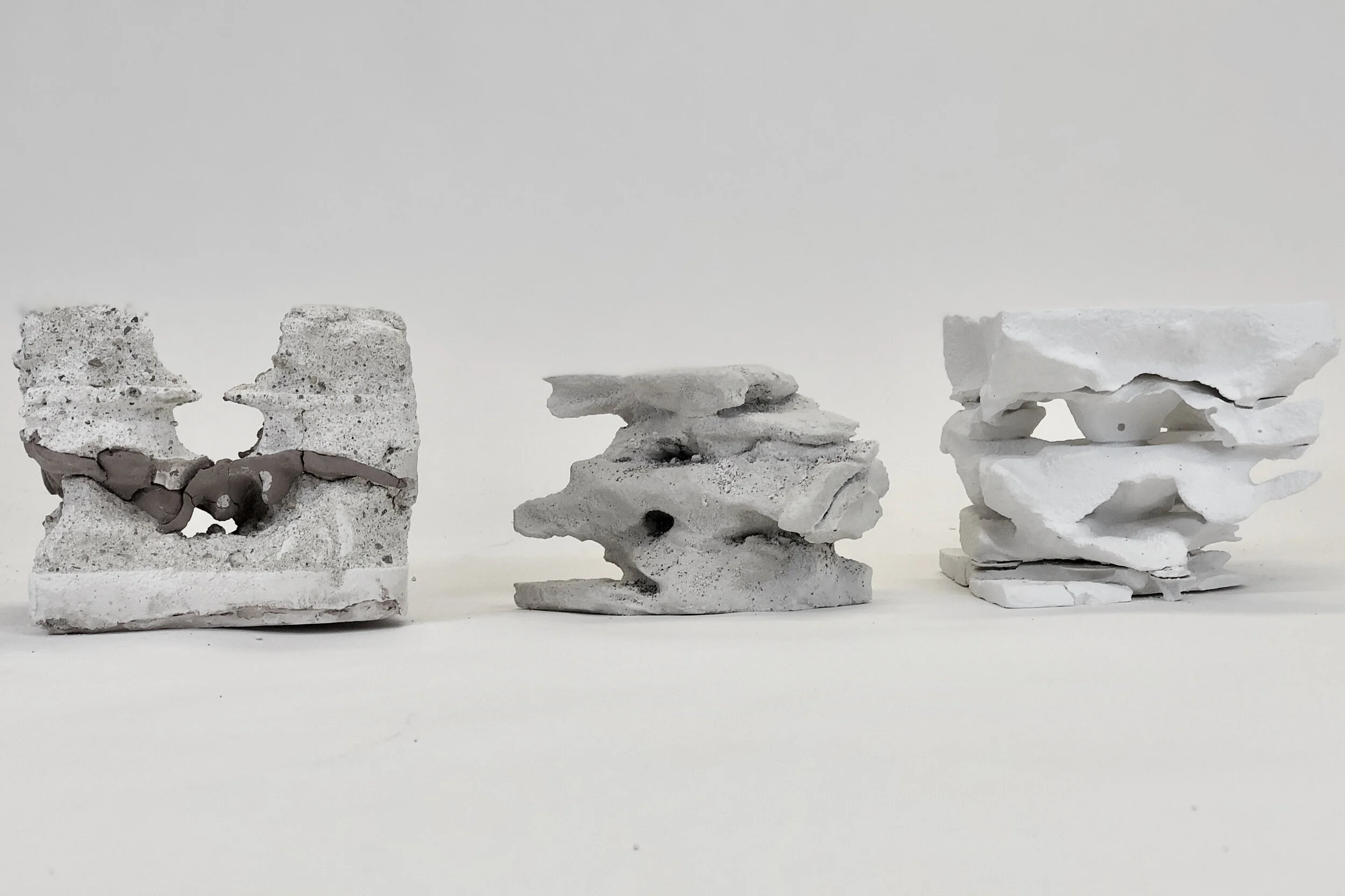
Taming The Wind seeks to recreate fascinating geological structures and patterns resulting from centuries of wind erosion by systematically creating "earthy" blocks composed of plaster, sand, rocks, clays, salts and subsequently deteriorating these blocks via sandblaster.
In Spring 2021, I took 4.022 which is MIT’s second introductory design studio, and for our first assignment “Physics Fabricator”, students were tasked with constructing a Physics Fabricator: a construct that uses relatively simple analogue processes or movements to translate deceptively simple relationships into complex form. The aim is not to simply produce 2.5D laminations of two dimensional processes, but to produce a system that is fully three dimensional in both input and output.
Project Members
Nebyu Haile
Programs + Tools used
Rhinoceros 3D
Sand Blaster
Conception
Some of the most beautiful and complex things in nature are those things that are invisible to the human eye or happen so quickly that they are very seldom observed. As such, I was inspired to create a processes that takes simple materials and transforms them into receipts of these invisible forces, the particular invisible force being wind. Often times the ephemeral nature of these phenomena is rooted in the medium in which they naturally occur; therefore, in this project I aimed to visualize the actions of wind, and turbulence by using mediums such sand, salt, soil, and plaster. Through concepts based in science such as fluid dynamics, I strived to take control of the typically untamed invisible forces of wind and turn it into a tool of craft. At the same time, through cataloging each materials’ unique response to the wind forces, I hoped to unveil new ways to interpret the unseen beauty of wind.
Inspiration
One example of ephemeral beauty is the dunes of the Sahara desert. Each unique configuration of dunes only exists for short periods before the wind streams of the day change their figure. A similar concept is present in the turbulent flow of water. When foreign objects interject a flow of water or any fluid, the streamlines take unique patterns based on the geometry of the interrupting shape that only exists while the body is present. Roxy Paine's Erosion Machine attempts to showcase the unseen artistic powers of wind by using a programming CNC to "eroded" away a stone creating fascinating structures. Another source of inspiration was ancient scholar stones, where monks over many years used dripping water and the continuous repositioning of rocks to create fascinating stone structures.
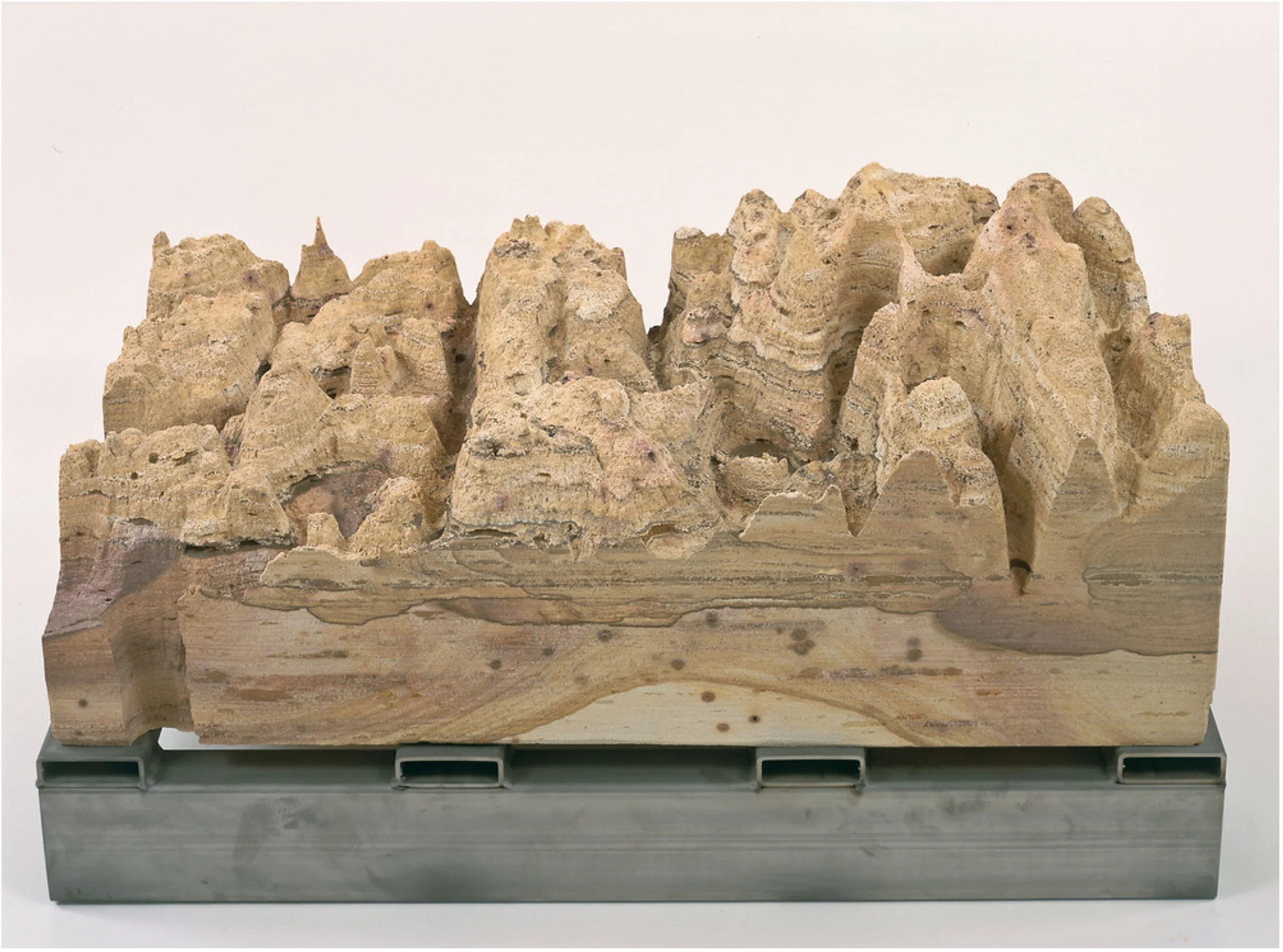
Roxy Paine - Erosion Machine
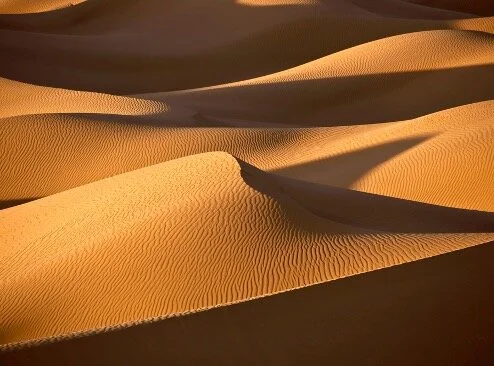
Sand Dunes - iStockphoto
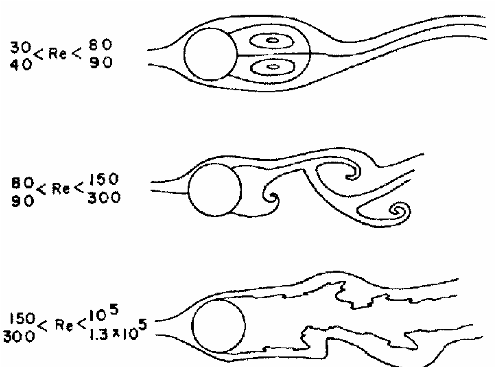
Turbulent Fluid Flow
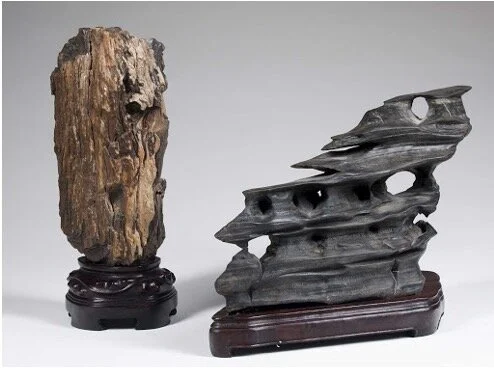
Scholar Stones - The Cobbs
Setup: “Taming The Wind”
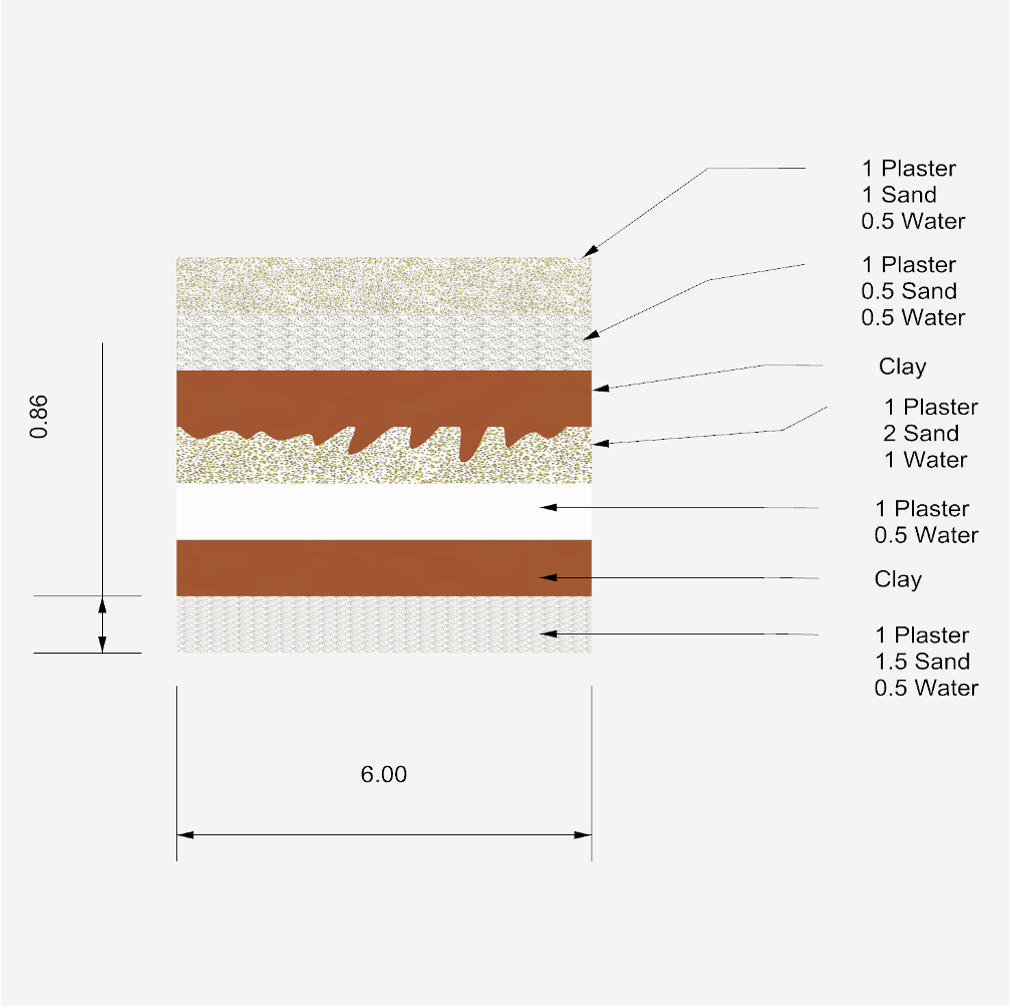
The erosion of "earthy" blocks that are composed of various materials such as plaster, sand, rocks, clays, salts, etc. The blocks will be formulaically assembled and then eroded using a sand blaster which is to mimic wind carrying sand aggregates that wear down rocks and forms fascinating rock structures and patterns. The goal is to intentionally recreate structures and patterns seen in nature by controlling the "wind", engineering the layers in the blocks, and by pre introducing cracks in strategic locations on the block.
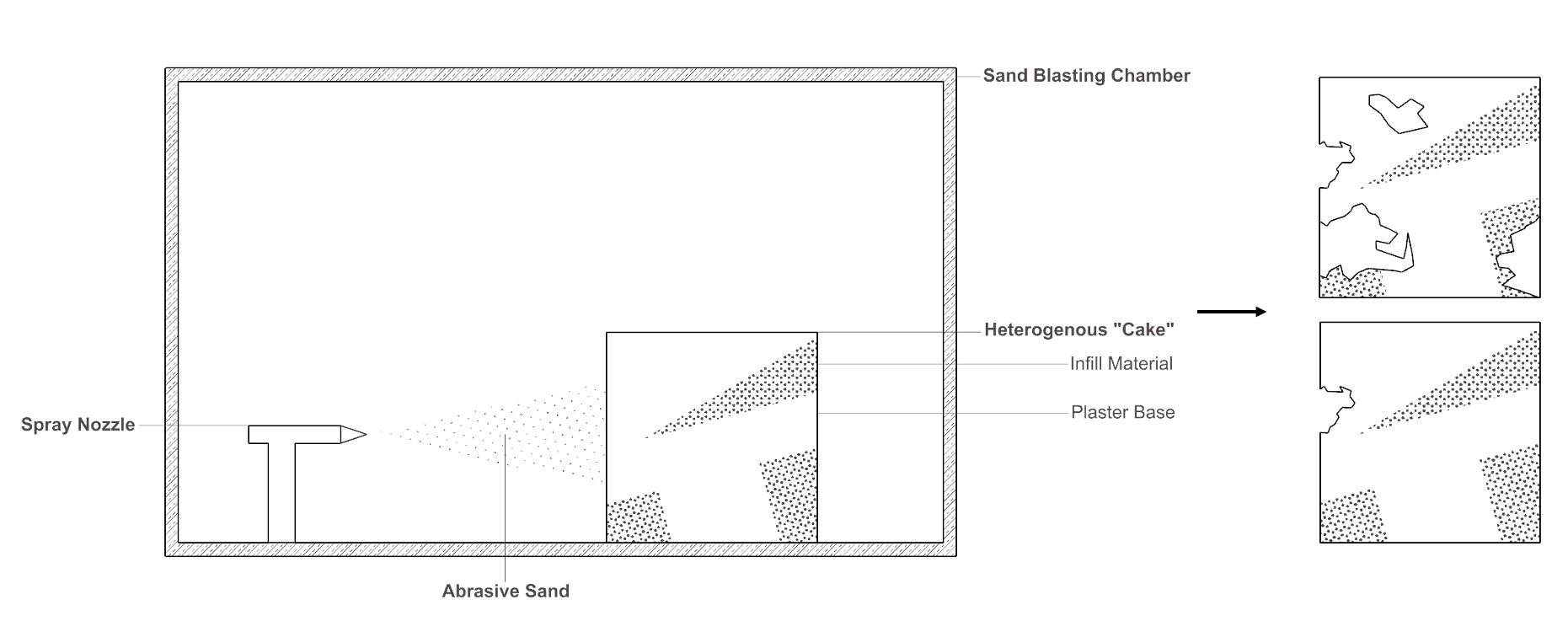
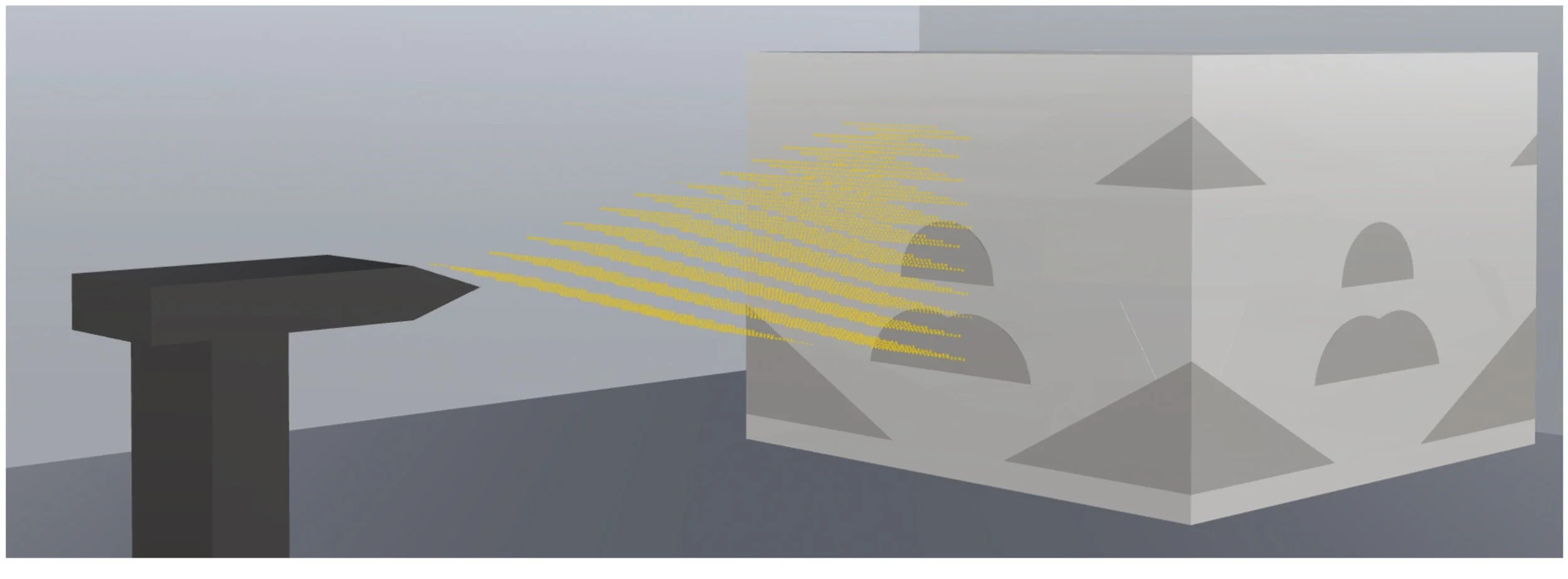
Phase One
Focus:
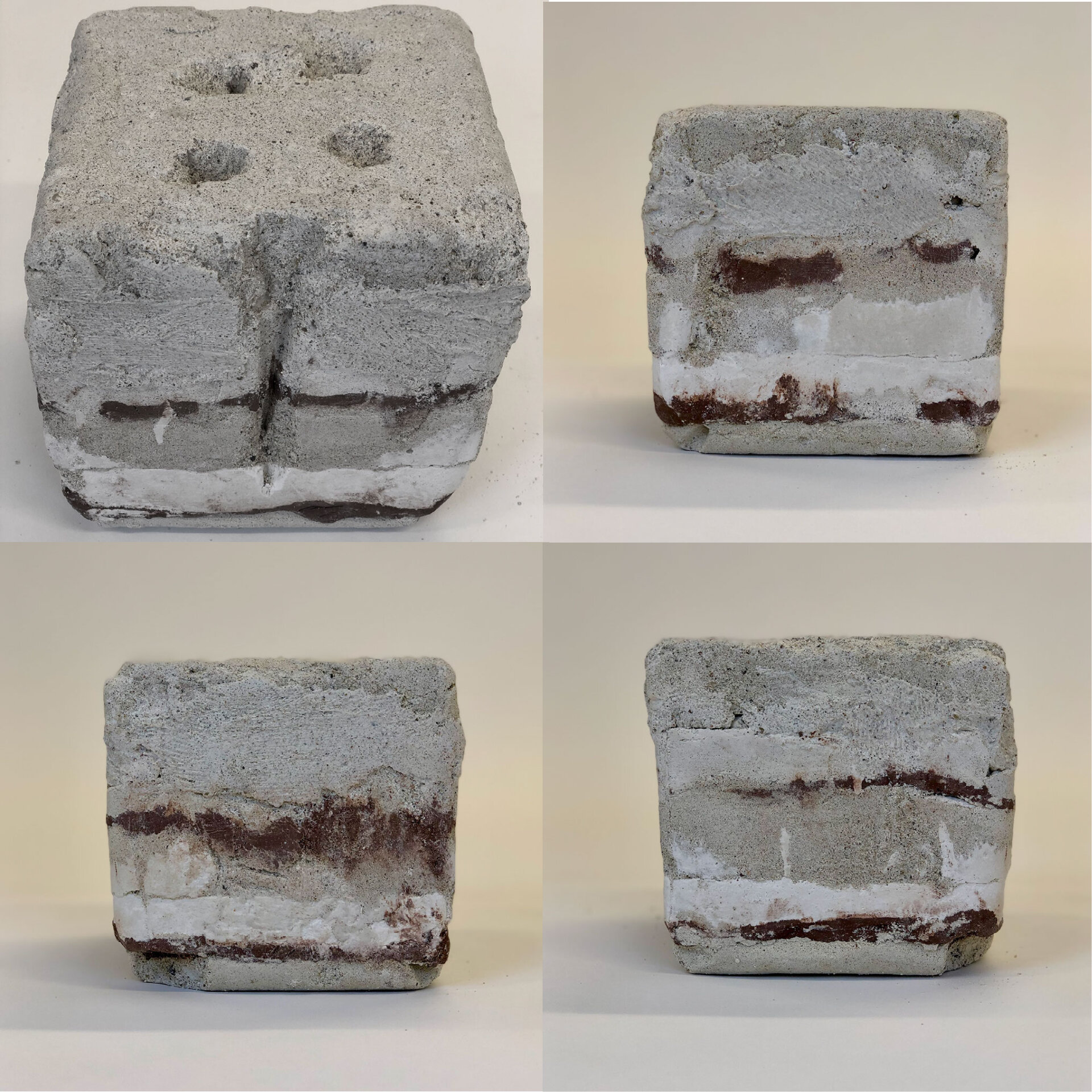
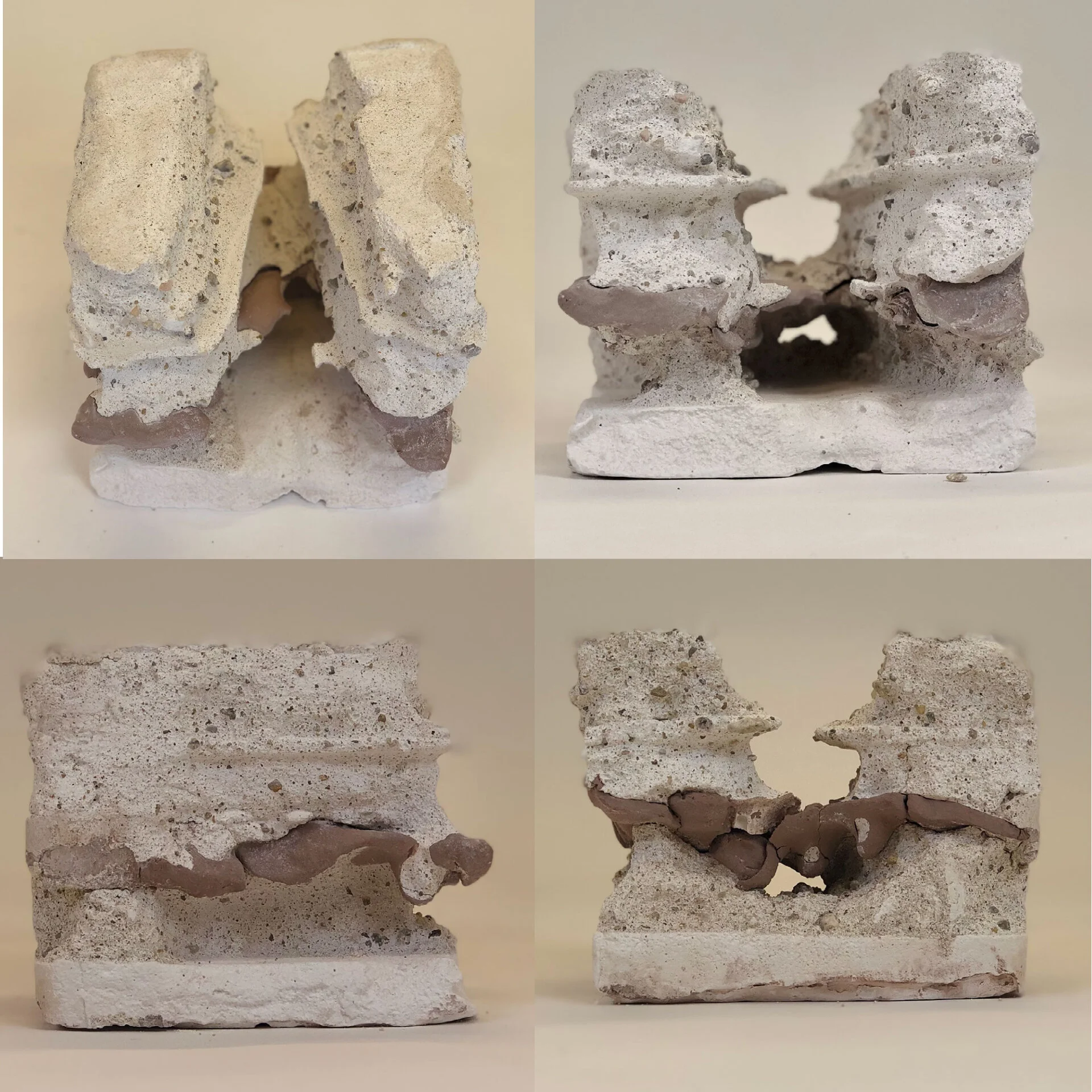
The main area investigated in this series of test was to see how different layer compositions of the “cakes” responded to a equal wall of wind on each face of the blocks.
Steps:
Pour blocks
Air dry 72+ hours
Place in blaster 5 inches from nozzle
Blast each face for 1 minute 30 seconds. 45 seconds side to side, 45 seconds up and down.
Remove & photograph
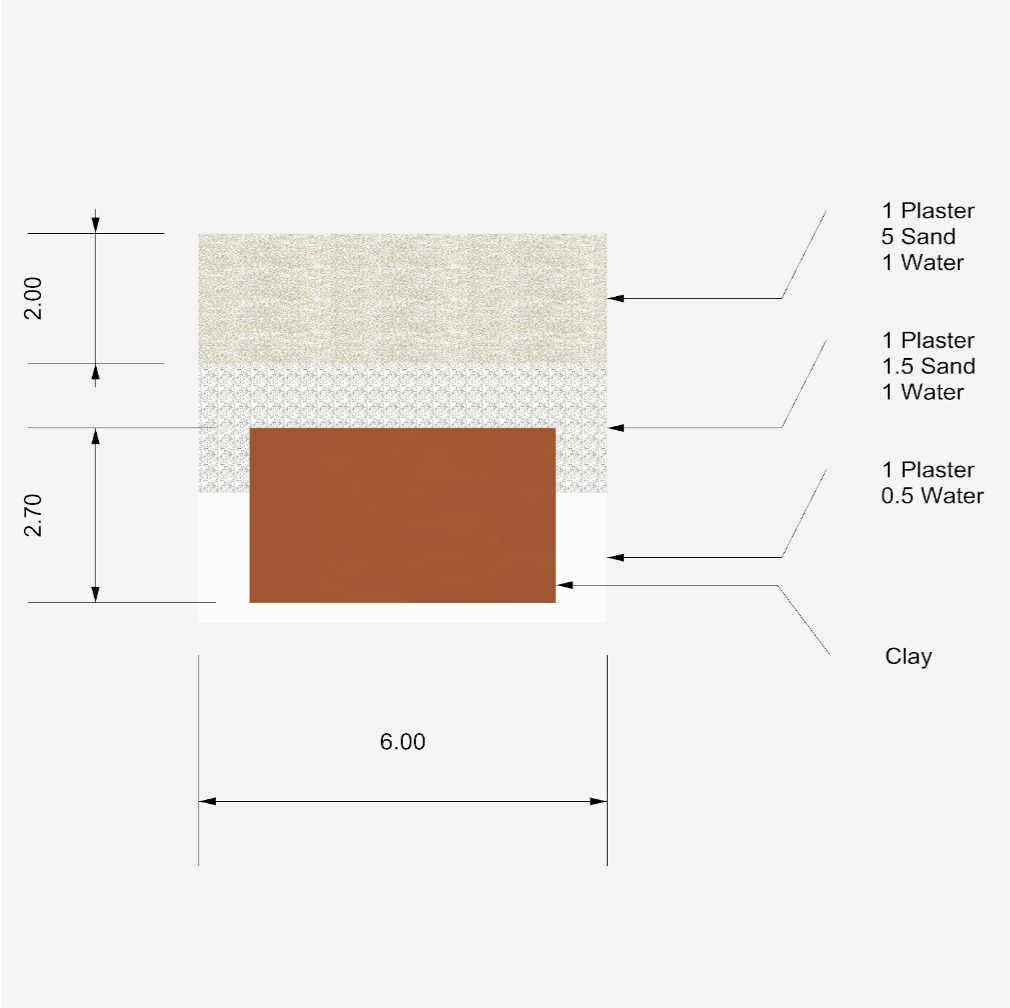
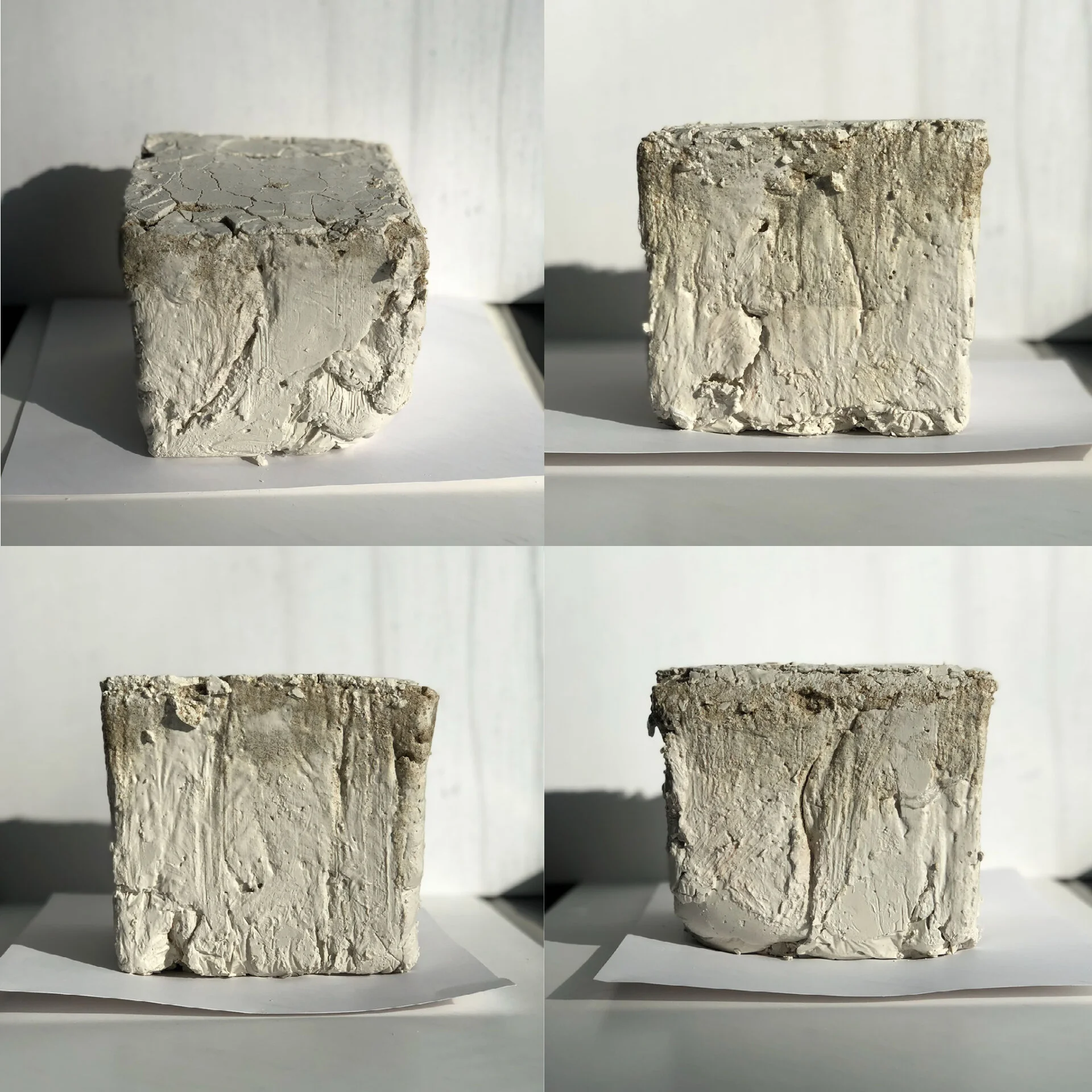
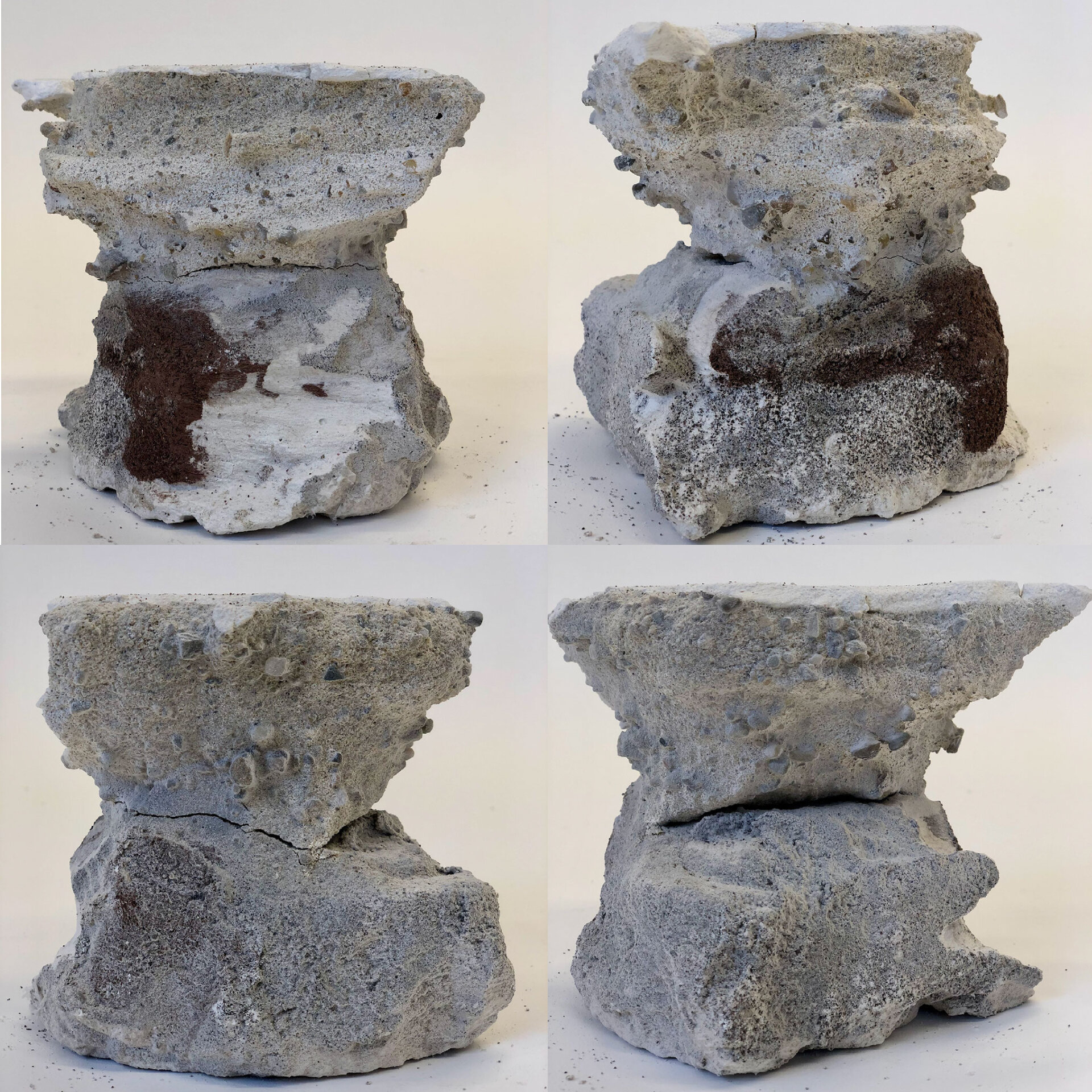
Phase Two
Focus:
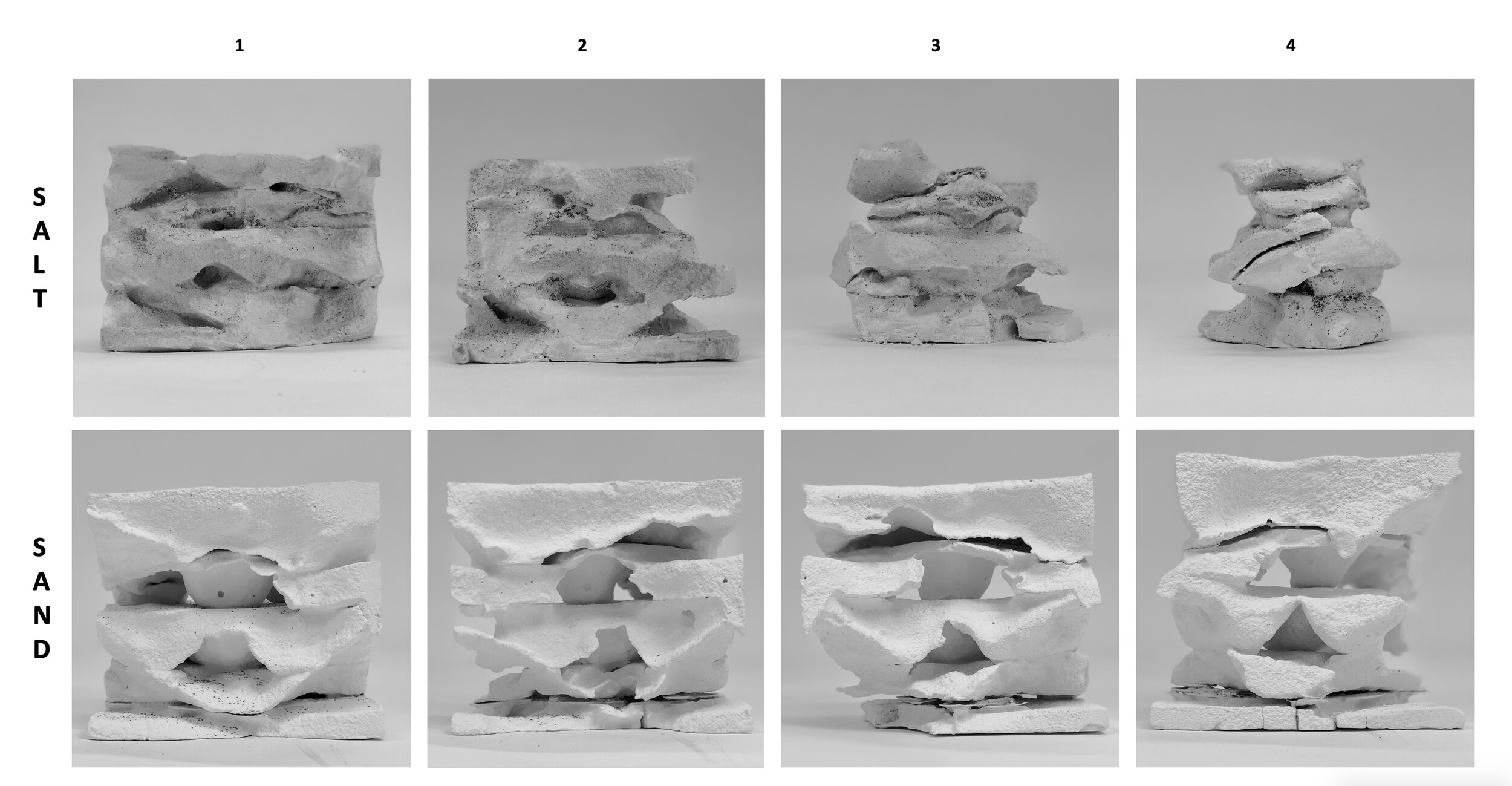
The main area investigated in phase two testing was how cavities in the blocks interacted with a wall of wind. Furthermore, it looked to investigate how the cavity infill choice affected the final form
Steps:
Pour blocks each with identical infill form, varying infill material in each
Fine salt infil for block 1
Play sand infil for block 2
Air dry 48 hours
Bake 24 hours at 300 degrees Fahrenheit
Blast each face for 1 minute 30 seconds. 45 seconds side to side, 45 seconds up and down.
Remove & photograph
Infill Structure
Blocks Post Drying
Blocks Post Erosion
Reflection
+
Future Investigations
Reflection:
Both Phases of experimentation resulted in intricate and compelling structures, which at times did indeed resemble wind erosion seen in nature - and in that regard, the project was a success. However, an area that was not quite mastered was the "taming" of the wind. While able to control the outcomes by different layering and cavities, I could not control the wind as I wanted, primarily due to limitations of the setup. In an ideal experiment, various turbulences (interrupting objects) could be introduced into the sandblasting stream and different speeds and aggregates size for the blaster.
Future Investigations:
Combine phases 1 & 2 to investigate layering and cavities.
Investigate less abrasive and longer erosion periods
Investigate more complex turbulences of wind
Fracture Patterns vs Topology Study
Investigate applications to rock like facade design